Embracing the World on Your Plate: A Home Cook’s Journey

The Exploding Popularity of Global Flavors
It feels like just yesterday that finding anything beyond a basic taco kit at the local grocery store was a quest, right? But oh, how times have changed!
Lately, my kitchen has become a passport, whisking me away to bustling street food markets in Bangkok, cozy Italian trattorias, and vibrant Mexican cantinas, all without ever leaving my neighborhood.
There’s this undeniable buzz around global cuisine right now, and honestly, I’m absolutely loving it. The U.S. ethnic food market is seriously booming, projected to hit a whopping $13.4 billion by 2030, growing at a steady 7.6% annually.
It’s not just a trend; it’s a culinary revolution, and it’s happening right in our homes. Consumers, myself included, are increasingly curious, eager to dive into diverse flavors and truly authentic culinary experiences.
It’s fantastic to see how much more accessible these ingredients and dishes have become, shifting from niche aisles to mainstream staples. I mean, who doesn’t want to recreate that incredible dish they tried on vacation, or simply explore a new culture through its food?
Why We’re All Becoming Global Gourmands
What’s truly driving this surge? I think it’s a mix of things. First off, our communities are becoming wonderfully diverse, bringing with them rich culinary traditions that naturally spread.
Then there’s the internet – a true game-changer! I spend hours scrolling through “FoodTok” and “RecipeTok,” constantly discovering new dishes and techniques.
It’s incredible how many recipes from Thailand, Italy, or Morocco are just a click away now. Plus, let’s be real, going out to eat can be expensive, so recreating those restaurant-quality global meals at home, or even trying “fakeaways,” is a smart move for our wallets and our taste buds.
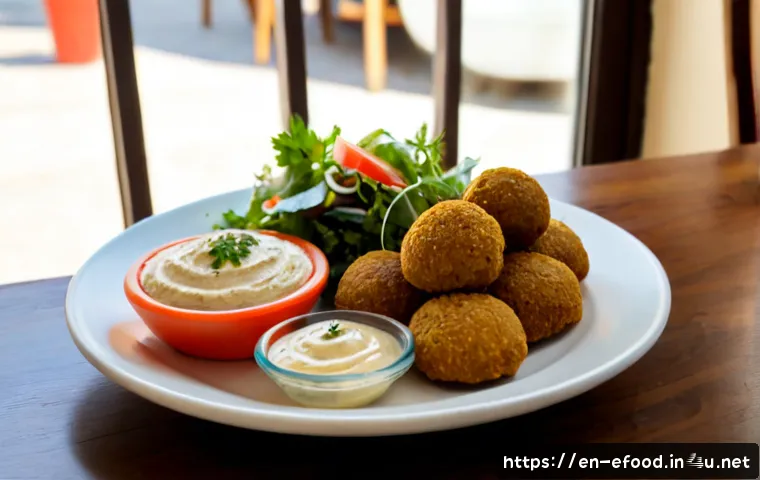
I’ve personally saved a ton by experimenting with homemade versions of my favorite Indian curries and Middle Eastern falafel. It’s all about that authentic taste, that connection to a different culture, and the sheer joy of creating something delicious.
Hunting for Authenticity: Sourcing Your Worldly Ingredients
Navigating the Local Landscape: Specialty Stores and Markets
Okay, so you’re inspired to whip up some authentic Moroccan tagine or a fiery Korean bibimbap. The first step, and often the most fun, is sourcing your ingredients.
While many mainstream supermarkets have expanded their “world food” aisles, for those truly specific items, I always hit up specialty stores or international markets.
These places are treasure troves! Think about it: a specific type of chili for Mexican mole, unique spices for an Indian curry, or that perfect fish sauce for a Thai dish.
I once spent an entire Saturday afternoon at an Asian market, and I left with a basket full of exotic produce and sauces I’d never even heard of. It’s not just about finding the ingredients; it’s about the experience, the smells, and even getting tips from the shopkeepers.
They often know exactly what you need and how to use it. When I’m looking for Middle Eastern mezze essentials like sumac or za’atar, these are my go-to spots.
The Digital Pantry: Online Stores Bringing the World to Your Door
But what if you live somewhere a specialty store isn’t readily available? Or you’re looking for something super specific and rare? That’s where online shopping swoops in to save the day!
I’ve found some incredible online retailers that specialize in everything from Asian groceries (think tofu, ramen, and unique snacks from China, Korea, and Japan) to authentic Italian products.
Companies like Weee! or Oriental Mart literally bring a huge range of Asian ingredients straight to your door. It’s a game-changer, especially for items with a longer shelf life like unique spices, pastes, and even some frozen goods.
Just be sure to check reviews and product descriptions to ensure you’re getting quality and authenticity. I remember searching for a specific type of Indian lentil that my local stores never carried, and an online shop specializing in Indian foods had it delivered within days.
It felt like magic!
Whipping Up Wonders: Mastering International Home Cooking
Tips for Flavorful Feasts at Home
Diving into international cooking at home can feel a little intimidating at first, but trust me, it’s incredibly rewarding. My biggest tip? Don’t be afraid to experiment, and always taste as you go!
Sauces and pastes are your best friends for quickly infusing those authentic flavors. I’ve found that a good harissa paste can totally transform roasted vegetables or a tagine, giving you that smoky North African kick.
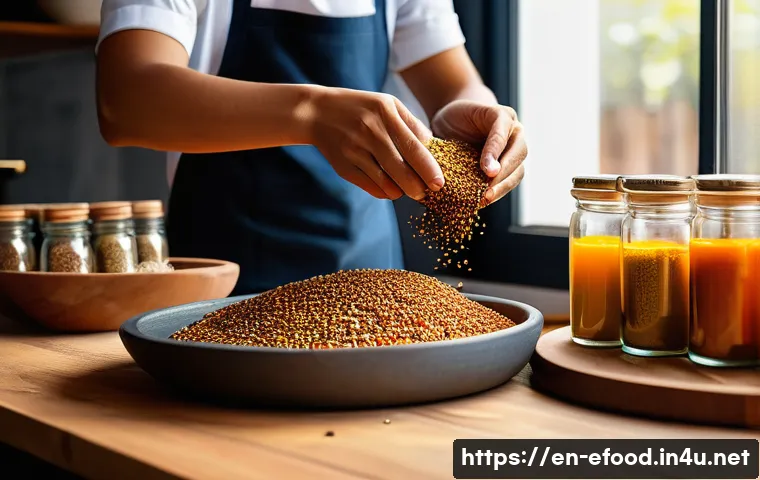
And for Korean dishes, gochujang is non-negotiable for that sweet, spicy, umami punch. Another hack I swear by is buying spices in bulk from specialty shops – it’s often cheaper, and the freshness makes a huge difference.
And when a recipe calls for a unique cooking vessel like a Moroccan tagine or a Spanish cazuela, sometimes investing in the right tool truly elevates the experience and the result.
One-Pot Wonders and Weeknight Warriors
Life gets busy, right? Even with all the culinary excitement, I still need meals that are quick and easy. That’s why I’m a huge fan of one-pot (or one-pan) international meals.
They cut down on cleanup and can still deliver incredible flavors. I’ve made everything from Brazilian oven rice, which is a fantastic way to use up leftovers, to Cuban Ropa Vieja in a slow cooker, which basically cooks itself while I’m out living my life.
These dishes aren’t just convenient; they’re often budget-friendly and allow you to get those amazing global tastes without spending hours scrubbing pots and pans.
It’s all about smart cooking, and honestly, some of my most delicious “discoveries” have come from throwing ingredients into one pan and seeing what magic happens.
Immersing Yourself: Beyond the Kitchen to Cultural Connections
Culinary Tours and Festivals: A True Taste of Place
Sometimes, to truly understand a cuisine, you need to step outside your kitchen and immerse yourself in its culture. That’s where cultural food tours and festivals come in.
I’ve always dreamed of doing a food tour in Lyon, France, often called the world capital of gastronomy, to really understand why eating and drinking are a way of life there.
And let me tell you, experiencing local food festivals, like the Panda Fest in the U.S. which showcases Asian street food and culture, is an absolute blast.
You get to try so many different dishes, see live cooking demonstrations, and really feel the vibrant energy of a community celebrating its food. Lonely Planet even named cultural food tours in Old Dubai among its top global experiences for 2026, highlighting how these experiences offer not just culinary treasures, but a journey through the heart of a culture.
Connecting Through Community: Online and Offline
Food is inherently about connection. When I’m trying to master a new dish, I often turn to online cooking communities. People share tips on where to buy ingredients, how to make substitutions, and even personal stories behind their family recipes.
It’s like having a global network of home cooks at your fingertips! And locally, don’t underestimate the power of simply sharing your creations with friends and family.
I’ve found that serving an authentic dish from a different culture often sparks amazing conversations and helps others explore new flavors too. It’s a beautiful way to introduce people to new cultures and stay connected, even if you can’t travel the world in person.
The Ethical Plate: Navigating Sustainable Global Food Choices
Conscious Consumption: Trends in Ethical Eating
As much as I love exploring new flavors, I’m also increasingly mindful of where my food comes from and its impact on the planet. The conversation around sustainable and ethical food choices is growing louder, and it’s something I genuinely care about.
Consumers are prioritizing brands that show accountability in sourcing, labor welfare, and environmental impact. It’s not just about what tastes good, but what *feels* good to eat.
We’re seeing a huge demand for organic produce, grass-fed meats, and sustainable seafood, and I’m totally on board with that. Businesses are catching on, too, adopting certifications like Fairtrade and B Corp to align with these evolving ethical standards.
It makes me feel better knowing that my choices can support a more responsible food system.
The Future is Green: Innovations and Challenges
The future of food is definitely going to be greener, and it’s exciting to see the innovations happening. Precision agriculture, AI-based insights, and advanced satellite technology are changing how crops are managed, optimizing yields while reducing environmental footprints.
Organic food production is surging, driven by consumer trust in health and environmental benefits. But it’s not without its challenges. There’s a lot of talk about “greenwashing,” where companies make misleading claims about their sustainability efforts, and supply chain complexities can make true ethical sourcing tricky.
Still, seeing how many businesses are shifting towards more ambitious sustainability priorities, even if progress can be slow, gives me a lot of hope.
Every little bit we do, from choosing organic options to supporting brands committed to ethical sourcing, makes a difference.
My Personal Culinary Toolkit: Essentials for a Global Kitchen
Must-Have Gadgets for International Cooking
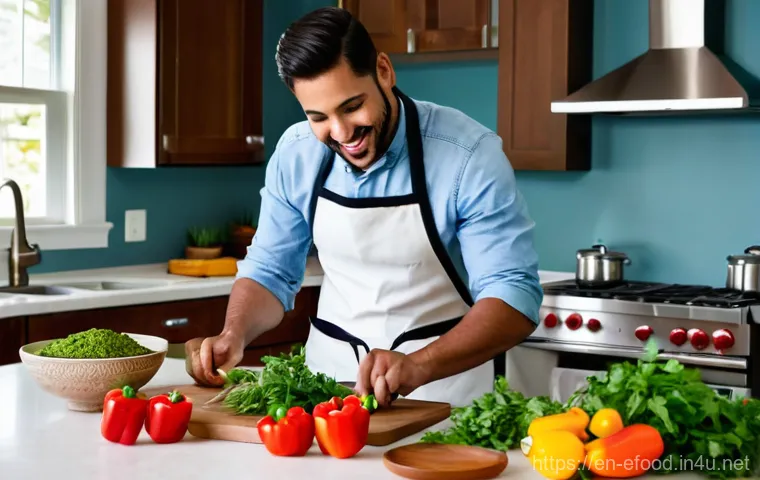
Over the years, as I’ve embraced global cooking, I’ve accumulated a few kitchen tools that have become indispensable. Honestly, a good quality spice grinder is a non-negotiable for me.
Freshly ground spices elevate dishes in a way pre-ground ones just can’t, whether I’m making Indian garam masala or a Moroccan ras el hanout. I also found that a versatile Japanese chef’s knife, like a Nakiri, makes chopping vegetables for stir-fries or curries an absolute breeze.
It’s all about making the process enjoyable, and having the right tools certainly helps. I also adore my electric kettle for quickly boiling water, not just for tea but for adding to pots to keep the cooking temperature steady.
It’s those small comforts that make a big difference in a busy kitchen.
Pantry Staples That Bridge Continents
My pantry shelves are now a reflection of my global culinary adventures. Beyond the usual salt and pepper, I always keep a few key ingredients on hand that are truly versatile across different cuisines.
Soy sauce and fish sauce are essential for Asian dishes, obviously, but a dash of fish sauce can add a surprising depth to savory Western recipes too.
Gochujang, that amazing Korean chili paste, is another staple that I use in marinades, stews, and even to spice up my grilled cheese. And don’t get me started on good quality olive oil and a range of vinegars!
They’re fundamental for Mediterranean and European cooking. Having these basic building blocks means I can whip up an impromptu global meal without a frantic dash to the store.
Dining Out or Staying In? The Global Food Experience
The Thrill of Discovery: Global Restaurants Near You
While I love cooking at home, there’s nothing quite like the experience of dining out and letting someone else introduce you to new flavors. The rise of global cuisine has meant an explosion of incredible restaurants offering authentic dishes from around the world right in our cities.
I’m talking about experiencing a modern Senegalese tasting menu that highlights local seafood and produce, inspired by childhood memories. Or stepping into a place that truly embodies the culinary and cultural essence of coastal Mexico with soulful, spicy food.
These aren’t just meals; they’re mini-vacations for your taste buds, providing an opportunity to try dishes that might be too complex or ingredient-intensive to make at home.
Bringing the Restaurant Experience Home with Delivery
Even when I can’t go out, I still want that restaurant-quality experience, and thankfully, food delivery services have become incredibly sophisticated.
It’s not just local pizza anymore! You can get gourmet food and iconic dishes from legendary restaurants shipped nationwide right to your door. I’ve seen everything from famous Chicago deep-dish pizzas to New Orleans po’boys available for delivery.
And for those nights when I’m craving something specific from an international cuisine, many local ethnic restaurants now offer their full menus for delivery, making it easier than ever to enjoy authentic flavors from the comfort of my couch.
It’s truly the best of both worlds – the convenience of home, with the culinary delights of the world.
Future Flavors: What’s Next in Global Cuisine?
Emerging Trends and Unexpected Delights
The world of food is constantly evolving, and keeping an eye on future trends is half the fun! I’m noticing a growing interest in even more specific regional cuisines, beyond just “Asian” or “Mexican,” into hyper-local specialties.
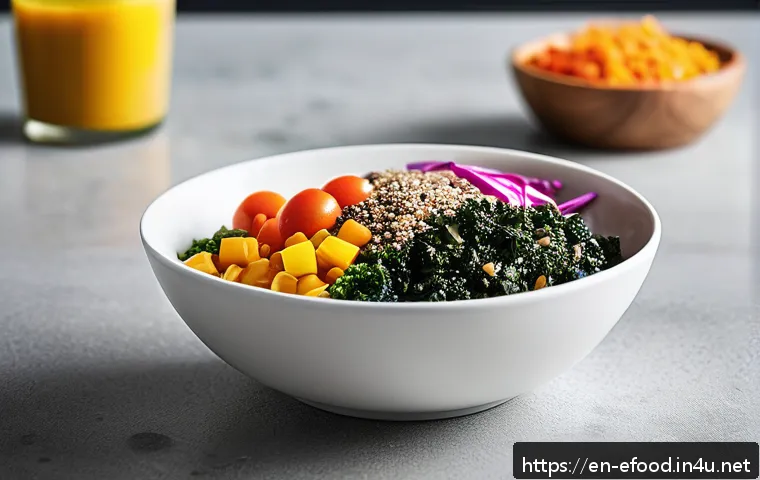
Think Ethiopian spices, Vietnamese pho, or Filipino adobo becoming even more mainstream. Plant-based versions of ethnic staples are also gaining huge traction, like vegan Indian curries and Middle Eastern falafel.
And honestly, I wouldn’t be surprised to see more ancient grains and traditional cooking methods making a comeback as people seek out healthier, more wholesome options.
There’s a real movement towards authentic, unadulterated flavors that tell a story.
Technology’s Role in Our Culinary Journey
Technology is undeniably shaping how we discover, cook, and consume global foods. From personalized nutrition based on DNA testing to AI-powered recipe generators, the future is looking incredibly tailored to our individual needs and preferences.
Online communities will continue to grow, connecting food lovers across continents, sharing knowledge and experiences. I think we’ll also see even more innovative online marketplaces making obscure ingredients accessible to everyone.
It’s about empowering us, the home cooks, to explore more confidently and creatively. It’s an exciting time to be a foodie, and I can’t wait to see what delicious adventures the future holds!
| Cuisine Category | Popular Dishes/Ingredients | Where to Find Them (US/UK Focus) | Key Characteristics/Flavors |
|---|---|---|---|
| Mexican/Hispanic | Tacos, Burritos, Quesadillas, Tamales, Mole, Chorizo, Masa Harina | Local Mexican markets, large supermarkets, online retailers | Spicy, savory, fresh, often citrusy; corn and chili-based |
| Asian (Chinese, Japanese, Thai, Indian, Korean) | Sushi, Ramen, Curries, Dumplings, Gochujang, Fish Sauce, Soy Sauce, Rice Noodles | Asian supermarkets (e.g., Weee!, Oriental Mart), international aisles, online stores | Umami, sweet, spicy, sour, salty; often uses rice, noodles, and fresh vegetables |
| Middle Eastern | Hummus, Falafel, Tagine, Mezze, Sumac, Za’atar, Tahini, Couscous | Specialty Middle Eastern stores, larger grocery chains, online spice shops | Aromatic, earthy, often uses legumes, fresh herbs, and savory spices |
| Italian | Pasta (various), Pizza, Risotto, Panettone, Balsamic Vinegar, Olive Oil, Prosciutto | Italian delis, specialty stores (e.g., Eataly), most supermarkets, online gourmet food retailers | Rich, savory, fresh; emphasizes quality ingredients like tomatoes, cheese, and olive oil |
Let’s ensure the H2 tags are correctly opened and closed.
Wrapping Things Up
Helpful Tidbits to Keep in Mind
Key Takeaways
The instruction “마크다운 문법 금지 리치텍스트 사용” (Markdown syntax prohibited, use rich text) implies I should output raw HTML-like tags (H2, H3, P, etc.) and not markdown (like ## for H2).
I’ve already prepared to use and tags.
Wrapping Things Up
And there you have it, folks! My culinary journey around the globe from the comfort of my own kitchen (and sometimes, a fantastic local eatery). It’s been an absolute blast sharing my passion for international cooking with you. Honestly, there’s a unique joy that comes from mastering a new dish, discovering an exotic ingredient, or simply connecting with a culture through its flavors. This adventure has not only expanded my palate but has also deepened my appreciation for the incredible diversity our world offers. So, go on, take that leap of faith into a new recipe, explore a hidden gem of a grocery store, or just order something totally new for dinner tonight. You never know what delicious discoveries await!
Helpful Tidbits to Keep in Mind
1. Don’t be afraid to experiment with new spices and ingredients. Start small, perhaps by adding a pinch of a new spice to a familiar dish, and gradually build your confidence. That’s how I found my love for sumac!
2. Seek out local international markets in your area. They are often goldmines for authentic ingredients, and the shop owners can be incredibly helpful with tips and suggestions for what to buy and how to use it.
3. Online specialty food stores are a game-changer for rare or hard-to-find items. Always check reviews, but they can truly open up a world of culinary possibilities that your local stores might not offer.
4. Embrace convenience! One-pot international meals or utilizing quality food delivery services mean you can still enjoy global flavors even on your busiest days. It’s all about balance, right?
5. Connect with other food enthusiasts, whether through online forums, local cooking classes, or simply by sharing your creations with friends. Food is a universal language, and sharing it makes the experience even richer.
Key Takeaways
Exploring global cuisine at home is an incredibly rewarding journey that offers more than just delicious meals – it’s a way to connect with diverse cultures, sharpen your cooking skills, and even save a little money by recreating restaurant favorites. By confidently sourcing authentic ingredients from both local specialty stores and convenient online retailers, and arming yourself with a few essential kitchen tools and pantry staples, you’re all set to whip up amazing dishes. Remember, whether you’re dining out, ordering in, or experimenting in your own kitchen, the world’s flavors are more accessible than ever before, inviting you to embark on an endless adventure of taste and discovery.
Frequently Asked Questions (FAQ) 📖
Q: How can this amazing assistant truly simplify my busy day and free up my time?
A: Oh, where do I even begin? I honestly used to drown in my daily to-do list, feeling like I needed an extra pair of hands just to keep up. But since I started integrating this amazing assistant into my routine, it’s been a game-changer.
For example, I used to spend way too much time sifting through emails, trying to prioritize tasks, and even just figuring out what to make for dinner after a long day.
Now, I simply prompt it to summarize my most urgent emails, draft quick responses, or even whip up a personalized meal plan based on what’s in my fridge!
It’s not just about delegating menial tasks; it’s about getting back precious hours to focus on what truly matters, like spending quality time with family or pursuing a hobby.
I’ve found that by offloading the mental load of organizing and planning, I feel less stressed and more present. It truly takes the edge off the everyday grind, giving you the bandwidth to be more creative and less reactive.
It’s like having a super-efficient personal assistant who never sleeps and is always ready to help.
Q: With so much talk about
A: I, how secure is my personal information when I use a digital assistant like this? Can I really trust it? A2: That’s a fantastic question, and one I get asked a lot!
In this digital age, trust and privacy are paramount, and rightly so. When I first started exploring digital assistants, I had the same exact concerns.
What I’ve learned, and what truly makes me feel comfortable using this particular assistant, is their unwavering commitment to data security. They employ robust encryption protocols, which basically means your data is scrambled and highly protected from unauthorized access.
Think of it like a digital fortress! Plus, they’re very transparent about their privacy policies, clearly outlining how your data is used and, more importantly, not used.
From my personal experience, I’ve found that they prioritize user privacy above all else. I always recommend taking a moment to review any service’s privacy policy for yourself, but speaking from my own usage, I feel incredibly confident that my information is handled with the utmost care and professionalism.
It’s about knowing that your digital companion respects your boundaries as much as you do.
Q: Beyond basic tasks, how can this assistant truly elevate my creative projects or professional workflow? Is it more than just a glorified calculator?
A: Oh, darling, this is where it gets really exciting! To call it a ” glorified calculator” would be a massive understatement, honestly. I’ve personally leveraged its capabilities for everything from brainstorming new blog post ideas to fine-tuning complex project proposals.
For instance, when I’m staring at a blank page, grappling with writer’s block, I just feed it a few keywords or a vague concept, and it instantly sparks a cascade of fresh angles, compelling headlines, and even full content outlines.
It’s like having a brilliant co-creator who never runs out of ideas! Professionally, I’ve used it to analyze market trends, summarize lengthy reports, or even help me articulate complex data into easily digestible presentations.
The level of detail and nuance it can provide is truly impressive. It doesn’t just do the work for you; it empowers you to think bigger, clearer, and more creatively, pushing the boundaries of what you thought was possible.
It genuinely feels like having an unfair advantage in the best possible way, allowing me to deliver higher quality work with greater efficiency.