In today’s fast-paced world, convenience is king, and the food industry is evolving faster than ever to keep up. With rising demand for quick, nutritious meals, retort food innovations are stepping into the spotlight, transforming how we think about ready-to-eat options.
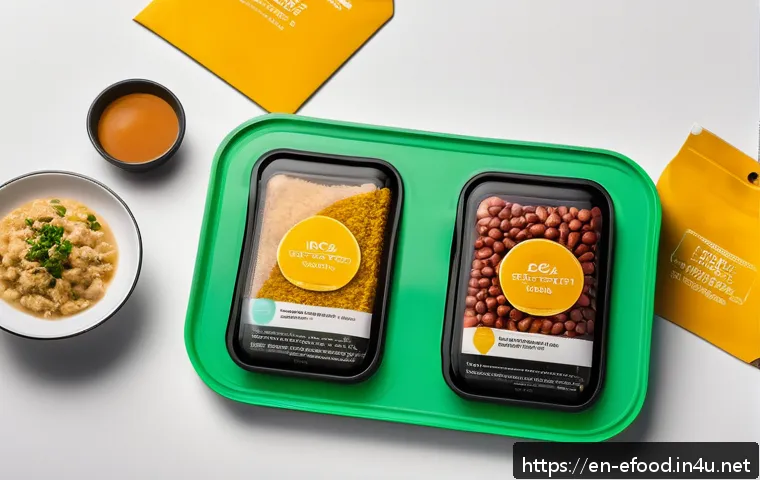
Whether you’re a busy professional or a health-conscious foodie, these advancements promise to deliver both taste and nutrition without the hassle. Let’s dive into the latest breakthroughs that are shaping the future of convenience food, making mealtime easier and more exciting than ever before.
Stick around—you won’t want to miss these game-changing trends!
Elevating Ready Meals with Nutrient-Rich Ingredients
Incorporating Superfoods for Boosted Health Benefits
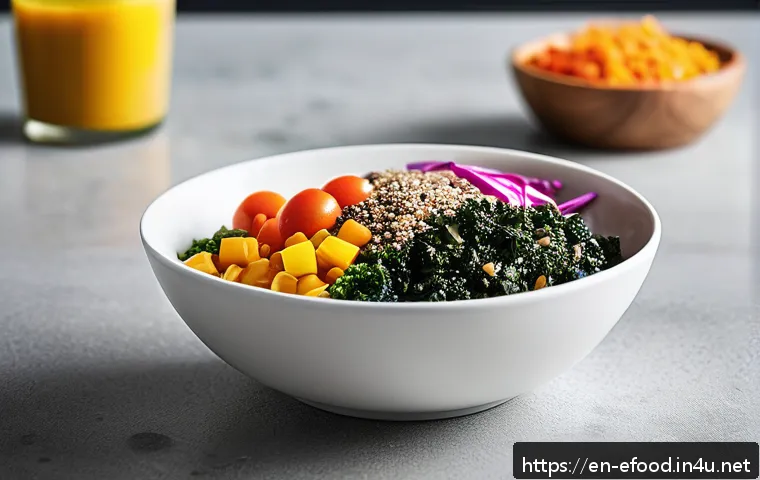
Superfoods like quinoa, kale, and chia seeds are no longer confined to health food stores; they’re making their way into retort meals with impressive results.
I’ve tried some of these nutrient-packed options myself, and what struck me was how they maintained their texture and flavor even after the sterilization process.
This shift means you can enjoy the convenience of a quick meal without sacrificing essential vitamins and minerals. It’s a real game changer for those of us juggling tight schedules but unwilling to compromise on nutrition.
Balancing Macros Without Compromising Taste
One of the biggest concerns with ready meals has always been the lack of balance—too heavy on carbs or fats, and not enough protein or fiber. Recent innovations focus on creating meals with a more mindful macronutrient distribution, often tailored to specific dietary needs like keto, vegan, or high-protein plans.
From personal experience, these meals not only satisfy hunger but also keep energy levels steady throughout the day, which is a big win for anyone with a busy lifestyle.
Natural Preservation Techniques Enhancing Freshness
Gone are the days when preservatives meant artificial chemicals and bland taste. Today’s retort food companies are experimenting with natural preservatives derived from rosemary extract, vitamin E, and other plant-based antioxidants.
These ingredients help maintain freshness and extend shelf life without the funky aftertaste. I noticed that meals using these natural methods had a fresher, more vibrant flavor profile, which adds to the overall enjoyment and trust in the product.
Innovative Packaging Designs for Sustainability and Convenience
Eco-Friendly Materials Transforming the Industry
Sustainability has become a huge focus in food packaging, and retort meals are no exception. Many brands now use biodegradable films or recyclable pouches that reduce environmental impact without compromising the safety or shelf life of the food.
From what I’ve seen, these new packages are often lighter and easier to store, which is a bonus when space is limited—like in dorm rooms or office desks.
User-Friendly Features for On-the-Go Lifestyles
The convenience factor doesn’t stop at the food itself; packaging innovations include easy-tear tabs, microwave-safe containers, and resealable options.
Personally, I appreciate resealable pouches because they allow me to save leftovers without transferring to another container, which cuts down on waste and cleanup time.
These small design tweaks make a big difference in daily usability, especially for people juggling work, family, and social commitments.
Smart Packaging: The Next Frontier
Some companies are integrating QR codes and NFC chips into packaging, enabling consumers to access cooking tips, nutritional info, and even meal pairing suggestions via smartphone.
I tested a few products with this tech, and it’s surprisingly helpful—especially when trying out new meals or tracking dietary goals. This kind of interactive packaging not only adds value but also builds a stronger connection between the brand and consumer.
Expanding Flavor Profiles to Meet Diverse Palates
Global Cuisines Inspiring New Creations
Retort meals are no longer limited to basic comfort foods; they’re embracing global flavors like Thai curry, Moroccan tagine, and Japanese miso-infused dishes.
I find this incredibly exciting because it opens up a world of culinary exploration without the need to cook from scratch. These meals often feature authentic spices and herbs that create complex, satisfying tastes, making quick meals feel more like dining experiences.
Customizable Heat Levels for Personal Preference
Spice tolerance varies widely, and some brands are starting to offer meals with adjustable heat options or mild bases that can be enhanced with included spice packets.
From my experience, this flexibility makes the meals more accessible to a wider audience, including families with kids or those sensitive to spicy food.
It’s a thoughtful touch that respects individual taste preferences without adding extra hassle.
Blending Tradition with Innovation
Many retort meals strike a balance between classic recipes and modern twists—like adding plant-based protein to traditional stews or using ancient grains in familiar pasta dishes.
This fusion appeals to both nostalgic eaters and adventurous foodies, creating a broader market reach. I’ve noticed that these hybrid dishes often surprise me with their depth of flavor and satisfying textures, which elevates the whole ready-meal concept.
Advancements in Food Safety and Quality Assurance
Enhanced Sterilization Methods for Better Nutrient Retention
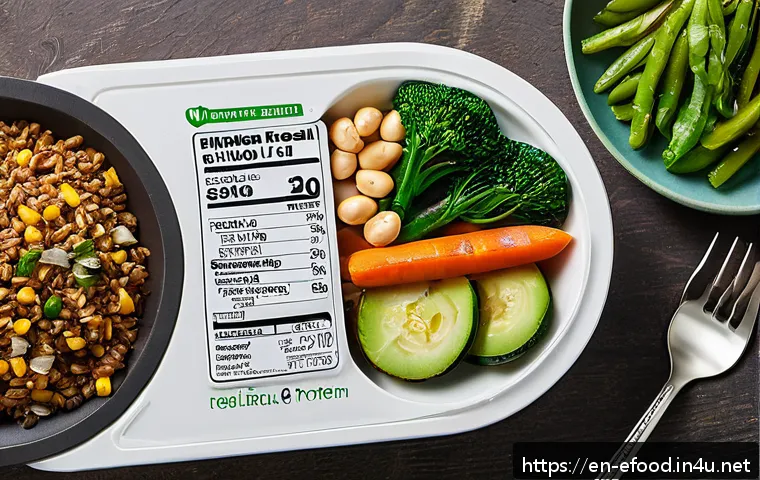
Technological improvements in retort processing, such as high-pressure thermal sterilization, help preserve more nutrients and keep textures closer to fresh-cooked meals.
I’ve sampled several meals processed this way, and the difference is tangible—the vegetables retain their crispness, and the proteins are tender, not overcooked.
It’s reassuring to see science tackling the classic issues of ready-to-eat foods.
Traceability Systems Ensuring Ingredient Transparency
With growing consumer demand for transparency, many brands now provide detailed sourcing information, often tracked through blockchain technology. This means you can verify where each ingredient came from and how it was handled before reaching your plate.
Personally, this level of transparency builds trust and encourages me to choose brands that prioritize ethical sourcing and food safety.
Third-Party Certifications Boosting Consumer Confidence
Certifications like Non-GMO Project Verified, USDA Organic, and Gluten-Free Certification are becoming more common in retort food labeling. These badges provide an extra layer of assurance about product quality and compliance with health standards.
In my experience, seeing these certifications makes me more willing to try new brands or premium options, knowing there’s an independent body backing their claims.
Convenient Meal Solutions for Specific Dietary Needs
Plant-Based Options Gaining Momentum
The surge in plant-based diets has driven retort food producers to develop meals that are not only meat-free but also rich in protein and flavor. I was pleasantly surprised by the taste and texture of some plant-based retort meals, which didn’t feel like an afterthought but rather a thoughtfully crafted dish.
This trend caters to vegans, vegetarians, and flexitarians looking for quick, wholesome options.
Allergen-Friendly Formulations for Safe Eating
More brands are recognizing the importance of allergen-friendly meals, offering options free from common triggers like nuts, gluten, or dairy. These products come with clear labeling and strict cross-contamination controls, which is crucial for anyone managing food sensitivities.
Having tried a few, I can attest that they taste just as good as regular meals, proving that allergen safety doesn’t have to mean blandness.
Portion-Controlled Meals Supporting Weight Management
For those watching their calorie intake, retort meals with precise portion control and balanced nutrition provide a convenient way to stay on track. These meals often come with detailed calorie and macro breakdowns, making them easier to incorporate into meal plans.
From my own experience, having a ready-made meal that fits perfectly into a dietary regimen removes a lot of guesswork and temptation.
Market Trends Driving Consumer Choice
Growth in Online Retail and Subscription Models
The rise of e-commerce has made it easier than ever to access a wide variety of retort food options, often delivered right to your doorstep. Subscription services are gaining popularity, offering curated meal plans that adapt to individual preferences and lifestyles.
I’ve tried a few subscriptions, and the convenience combined with variety keeps me coming back—no last-minute grocery runs necessary.
Price Versus Quality: Finding the Sweet Spot
While some premium retort meals come at a higher price, there’s a growing segment of affordable yet high-quality options hitting the market. It’s all about finding the right balance between cost, taste, and nutritional value.
Personally, I’ve discovered that investing a little more in a meal that truly satisfies both hunger and health goals pays off in long-term satisfaction.
Consumer Demand for Transparency and Ethical Practices
More consumers are scrutinizing brand ethics, from ingredient sourcing to labor practices. Brands responding to this demand tend to cultivate more loyal customer bases.
In my opinion, supporting companies that align with personal values enhances the overall experience, turning a simple meal into a conscious choice.
| Aspect | Traditional Retort Meals | Modern Innovations |
|---|---|---|
| Ingredients | Basic, often processed | Superfoods, natural preservatives |
| Packaging | Plastic, non-recyclable | Biodegradable, resealable, smart tech |
| Flavor Profiles | Limited, basic | Global cuisines, customizable spice levels |
| Nutritional Balance | Unbalanced macros | Tailored for specific diets |
| Food Safety | Standard sterilization | Advanced sterilization, traceability |
| Market Access | In-store only | Online subscriptions and delivery |
Conclusion
Ready meals have evolved remarkably, blending convenience with nutrition, sustainability, and flavor innovation. From nutrient-rich ingredients to smart packaging, these advancements make quick meals more enjoyable and trustworthy. Whether you’re managing a busy schedule or specific dietary needs, today’s options truly cater to modern lifestyles without compromise.
Helpful Information
1. Incorporating superfoods in ready meals boosts essential nutrients while maintaining taste and texture.
2. Natural preservatives are replacing artificial ones, improving flavor and shelf life.
3. Eco-friendly and resealable packaging enhances convenience and reduces environmental impact.
4. Expanding global flavors and customizable spice levels offer more variety for diverse palates.
5. Online subscriptions and transparent sourcing are shaping a more accessible and ethical meal market.
Key Takeaways
Modern ready meals combine balanced nutrition, innovative preservation, and sustainable packaging to meet consumer demands. They prioritize transparency, dietary inclusivity, and flavor variety, reflecting a shift toward healthier, convenient eating without sacrificing quality or ethics. These improvements not only satisfy hunger but also support long-term well-being and environmental responsibility.
Frequently Asked Questions (FAQ) 📖
Q: What exactly is retort food, and how is it different from traditional canned or frozen meals?
A: Retort food refers to ready-to-eat meals that are sealed in flexible pouches and sterilized using high heat and pressure. Unlike traditional canned foods that use metal containers or frozen meals requiring refrigeration, retort pouches are lightweight, shelf-stable, and often preserve the taste and nutritional value better.
From my experience, retort meals heat up quickly without losing texture or flavor, making them a perfect option for busy people who want convenience without sacrificing quality.
Q: Are retort foods healthy and nutritious compared to fresh or homemade meals?
A: Retort foods have come a long way in terms of nutrition. Many brands now focus on balanced ingredients, using fresh vegetables, lean proteins, and whole grains, while avoiding excessive preservatives or additives.
While they might not fully replace fresh home-cooked meals, they provide a practical alternative for those pressed for time. Personally, I found that choosing retort meals with transparent ingredient lists and minimal processing helps me maintain a healthy diet even on hectic days.
Q: How can I incorporate retort foods into my daily routine without feeling like I’m compromising on taste or quality?
A: The key is to treat retort foods as part of a balanced meal plan rather than a quick fix. Pairing them with fresh salads, fruits, or snacks can elevate the overall dining experience.
I often add some fresh herbs or a squeeze of lemon to boost flavor, and sometimes mix retort meals with freshly cooked sides. This way, you enjoy convenience without feeling like you’re settling for less.
Plus, many new retort options come in diverse cuisines and flavors, so experimenting keeps mealtime exciting and satisfying.