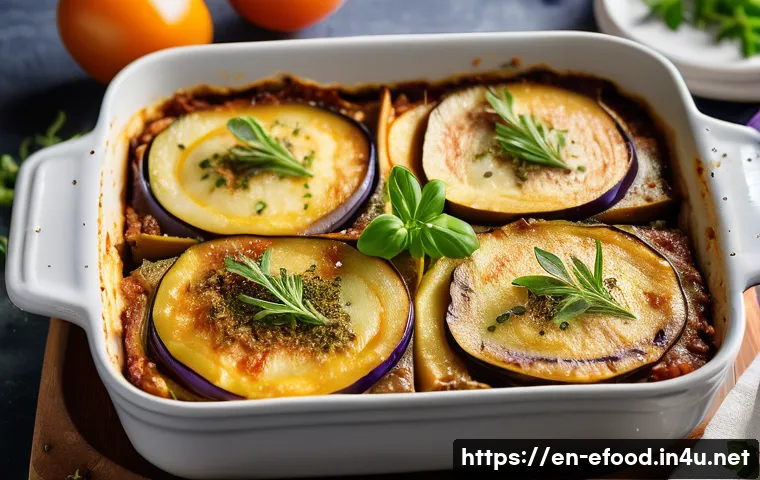
Moussaka is a classic Greek dish that beautifully layers eggplant, seasoned meat, and creamy béchamel sauce into a comforting casserole. This iconic meal carries centuries of Mediterranean tradition, blending rich flavors and textures that warm the soul.
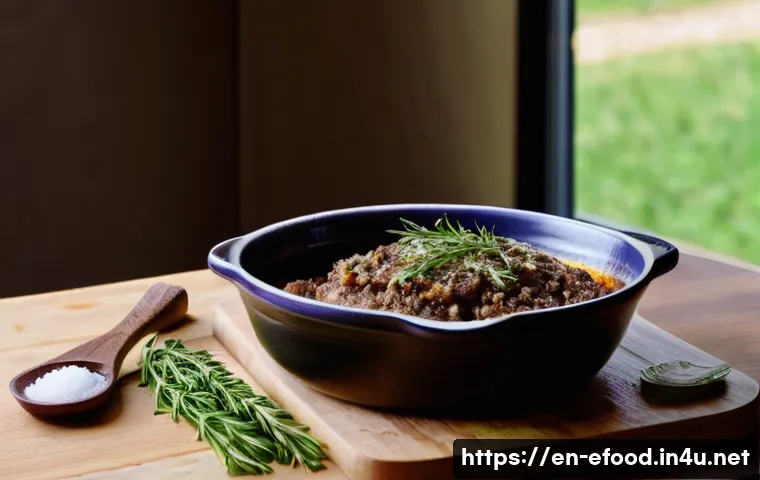
Whether you’re exploring Greek cuisine for the first time or looking to recreate authentic flavors at home, moussaka offers a delicious gateway. Its hearty ingredients and aromatic spices make it a perfect choice for family dinners or special occasions.
Let’s dive deeper and uncover the secrets behind this beloved dish in the following sections!
Mastering the Eggplant: The Heart of the Dish
Choosing the Right Eggplant Variety
Eggplant is the soul of this layered masterpiece, and selecting the right type can make all the difference. Long, slender Japanese or Italian eggplants tend to have fewer seeds and a tender texture, which means less bitterness and a creamier bite once cooked.
On the other hand, globe eggplants, commonly found in many supermarkets, have a thicker skin and denser flesh that can hold up better during baking but might require extra salting to reduce bitterness.
From my own kitchen experiments, I’ve found that peeling the skin partially and salting the slices for at least 30 minutes before cooking helps draw out moisture and bitterness, giving the layers a perfect melt-in-your-mouth texture.
Preparing and Cooking Eggplant Layers
The way you treat the eggplant slices sets the tone for the entire casserole. After salting, rinsing, and patting dry, I usually roast or pan-fry the slices until they develop a rich golden-brown color.
Roasting is a great hands-off method that imparts a smoky flavor while reducing oil absorption. Pan-frying, while a bit messier, adds a satisfying crispness to the edges.
Some home cooks swear by grilling the eggplant to add an extra smoky depth. Whichever method you choose, the key is to avoid sogginess in the final bake.
The eggplant should hold its shape but still be tender enough to layer smoothly with the meat and béchamel.
Eggplant’s Role in Texture and Flavor Balance
Eggplant isn’t just a filler—it acts as a flavor sponge and texture moderator. It absorbs the savory juices from the meat sauce and the creamy béchamel, marrying all the components into a harmonious bite.
The slightly spongy texture contrasts beautifully with the rich, velvety sauce on top and the hearty meat beneath. When I serve moussaka, guests often comment on how the eggplant’s tender, almost buttery quality rounds out the dish perfectly, preventing it from feeling too heavy or one-dimensional.
Crafting the Perfect Meat Sauce Base
Selecting Meat and Seasonings
Ground lamb is the traditional choice and carries that unmistakable Mediterranean aroma, but ground beef or a blend of both can work well, especially if lamb is hard to find.
I’ve noticed that using fresh herbs like oregano and thyme, combined with a touch of cinnamon and allspice, creates a fragrant, warm profile that elevates the sauce beyond a simple meat ragu.
Adding finely chopped onions, garlic, and occasionally a splash of red wine or tomato paste enriches the depth of flavor. These ingredients marry together into a savory base that feels robust yet balanced.
Simmering Techniques for Maximum Flavor
Patience is key here. Once all ingredients are combined, letting the sauce simmer gently for at least 30-45 minutes allows the flavors to meld beautifully.
I like to stir occasionally, scraping the bottom to prevent sticking and encourage slight caramelization, which adds a subtle sweetness. The end goal is a thick, rich sauce that clings to the eggplant layers but isn’t overly dry.
If the sauce feels too watery, a quick reduction or adding a bit of breadcrumbs can help achieve the ideal consistency.
Incorporating Vegetables and Extras
While the classic meat sauce focuses on simplicity, some home cooks like to sneak in finely diced vegetables like carrots, celery, or mushrooms for extra texture and nutrients.
I’ve tried this myself, and while it adds complexity, it’s important not to overpower the signature spices and meatiness. A balance is essential, so I recommend keeping vegetable additions subtle and finely chopped, ensuring they complement rather than compete with the main flavors.
Secrets to a Luxurious Béchamel Sauce
Key Ingredients and Ratios
Béchamel is the creamy crowning glory of this dish, providing a velvety contrast to the savory layers beneath. The classic recipe calls for butter, flour, and milk, but the magic lies in the balance.
From my experience, using whole milk and a generous knob of butter creates a rich base, while slowly whisking in flour ensures a smooth, lump-free sauce.
Adding a pinch of nutmeg and a handful of grated Parmesan cheese enhances the flavor and gives the sauce that irresistible savory edge that lingers on the palate.
Achieving the Perfect Consistency
The béchamel should be thick enough to hold its shape when spread but still pourable. If it’s too thin, it will run off the casserole and make the layers soggy; too thick, and it becomes heavy and clumpy.
I always recommend cooking the roux (butter and flour mixture) gently until it’s just starting to turn golden, then gradually adding warm milk while whisking constantly.
This gradual process prevents lumps and ensures a silky texture. When done correctly, the sauce should coat the back of a spoon and flow off in a smooth ribbon.
Baking Tips for a Golden Top
Before sliding the casserole into the oven, brushing the béchamel with a little beaten egg or sprinkling extra Parmesan on top helps achieve that signature golden, slightly crispy crust.
Watching the béchamel bubble and brown is always satisfying—it signals that the dish is ready to be enjoyed. I find that baking at a moderate temperature around 350°F (175°C) for about 45 minutes allows the layers to meld beautifully without drying out the béchamel.
Layering Techniques That Elevate Every Bite
Order and Thickness of Layers
The traditional layering starts with a base of fried or roasted eggplant slices, followed by a generous spread of the meat sauce, then another layer of eggplant, and finally topped with béchamel.
I usually opt for slightly thinner eggplant slices—about 1/4 inch thick—so they cook evenly and don’t overwhelm the other layers. Achieving balance in layer thickness is crucial: too thick on one component can throw off the textural harmony and make slicing difficult.
Tips for Assembling Without Mess
Building a multi-layered casserole can get messy, but a few tricks help keep things neat. Using a springform or deep baking dish makes it easier to remove the moussaka after baking without disturbing the layers.
I also use a wide spatula to spread sauces evenly and gently press down each layer to compact the casserole slightly, which helps it hold its shape when served.
It’s a bit like building a savory lasagna, but with more rustic charm.
How Layering Impacts Flavor Development
The layering isn’t just for looks; it affects how flavors meld during baking. As the casserole cooks, the juices from the meat seep into the eggplant, softening it further, while the béchamel keeps the top moist and luscious.
This slow melding process produces a dish where every forkful offers a perfect bite of creamy, savory, and tender components in harmony. From personal experience, letting the moussaka rest for 15-20 minutes after baking makes serving cleaner and lets the flavors settle beautifully.
Understanding Regional Twists and Variations
Variations Across Greece and Beyond
While the classic recipe is beloved, regional variations add fascinating twists. In northern Greece, some versions incorporate potatoes alongside or instead of eggplants, adding a comforting starchiness.
In Crete, the use of goat cheese in the béchamel or as an additional layer brings a tangy, earthy note that’s simply delightful. Meanwhile, in Middle Eastern adaptations, spices like allspice and cinnamon are dialed up, and sometimes pine nuts or raisins find their way into the meat sauce, offering a subtle sweetness that contrasts with the savory elements.
Modern Takes and Dietary Adaptations
With dietary preferences evolving, many cooks are experimenting with moussaka versions that cater to gluten-free, vegetarian, or vegan diets. For example, using lentils or mushrooms as a meat substitute, or swapping traditional béchamel for a cashew-based cream sauce, opens the dish to new audiences while respecting its layered integrity.
I tried a vegan version once using tofu béchamel, and although it was a different experience, the essence of moussaka’s comfort remained intact. These adaptations show the dish’s versatility and timeless appeal.
Influence of Local Ingredients on Flavor Profiles
The availability of fresh, local ingredients profoundly shapes how moussaka tastes from one kitchen to another. Using farm-fresh eggs, homemade butter, or locally sourced lamb can elevate the dish to another level.
I always encourage home cooks to seek out the best quality ingredients they can find—especially fresh herbs and spices—as these small details add up to a richer, more authentic flavor experience.
Essential Tools and Kitchen Tips for Success
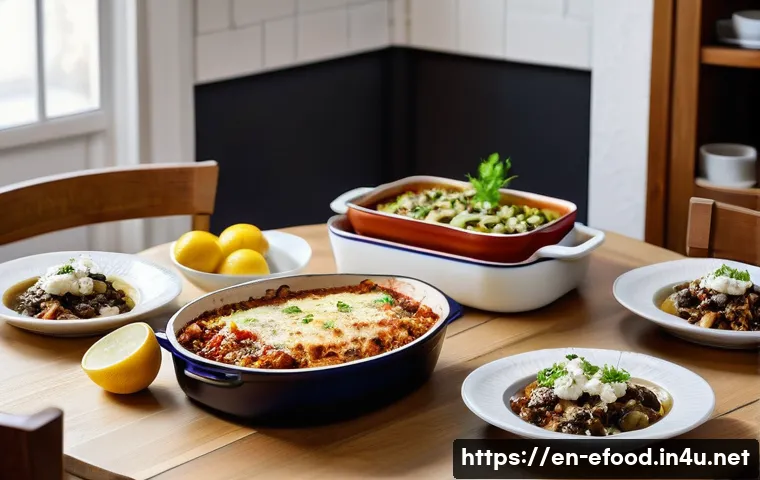
Must-Have Equipment
From my hands-on experience, a few kitchen tools make preparing this layered delight much easier. A sharp chef’s knife ensures precise slicing of eggplant and onions, while a heavy-bottomed skillet helps brown the meat evenly without burning.
A sturdy baking dish, preferably ceramic or glass, allows for even cooking and beautiful presentation. Additionally, a whisk is indispensable for making smooth béchamel sauce without lumps, and having a fine grater on hand for fresh nutmeg and Parmesan adds that little extra flavor boost.
Time-Saving Hacks
Moussaka can be a bit time-intensive, but breaking the process into stages really helps. I often prepare the meat sauce a day ahead and refrigerate it, allowing the flavors to deepen overnight.
Eggplants can also be pre-salted and roasted in advance, speeding up assembly day. For béchamel, preparing it while the meat sauce simmers makes efficient use of time.
These small adjustments keep the kitchen less chaotic and help avoid feeling overwhelmed.
Common Mistakes to Avoid
One pitfall I’ve seen many cooks encounter is under-seasoning the meat sauce or béchamel, which results in a bland final dish. Don’t be shy with salt and spices during cooking.
Another common error is layering wet eggplant without proper salting or draining, which can cause a soggy casserole. Lastly, overbaking or baking at too high a temperature risks drying out the béchamel, so keeping an eye on the oven and using a moderate temperature is key for that perfect golden crust.
Comparing Moussaka Ingredients and Techniques
| Component | Traditional Approach | Common Variations | Tips for Best Results |
|---|---|---|---|
| Eggplant | Salting, roasting or frying | Some use potatoes or zucchini | Salt to remove bitterness; roast for smoky flavor |
| Meat | Ground lamb with herbs and spices | Ground beef or vegetarian substitutes | Use fresh herbs; simmer slowly for depth |
| Béchamel | Butter, flour, milk, nutmeg, Parmesan | Vegan cashew cream or cheese variations | Whisk constantly; aim for thick but pourable |
| Layering | Eggplant, meat sauce, eggplant, béchamel | Potato layers or added vegetables | Even thickness; press gently to compact |
| Baking | Moderate heat, 45 minutes | Some add egg wash or extra cheese on top | Watch for golden crust; rest before serving |
Serving Suggestions and Pairings
Complementary Side Dishes
Moussaka is rich and filling, so pairing it with light, fresh sides balances the meal perfectly. A crisp Greek salad with tomatoes, cucumbers, olives, and feta dressed simply with olive oil and lemon provides a refreshing contrast.
Roasted or grilled vegetables seasoned with herbs like oregano and thyme also complement the savory layers. From my gatherings, guests appreciate these sides as they cleanse the palate between bites of the creamy casserole.
Ideal Beverage Matches
The robust flavors of moussaka pair wonderfully with medium-bodied red wines such as Agiorgitiko or Xinomavro, native Greek varieties that echo the dish’s earthy and spicy notes.
If you prefer white wine, a dry Assyrtiko with its crisp acidity cuts through the richness nicely. For non-alcoholic options, sparkling water with a squeeze of lemon or a lightly brewed herbal tea keeps things refreshing without overpowering the meal.
Tips for Leftovers and Reheating
One of the great things about moussaka is how well it holds up as leftovers. I always recommend letting it cool completely before refrigerating in an airtight container.
When reheating, using an oven rather than a microwave preserves the béchamel’s texture and prevents sogginess. Cover loosely with foil to avoid drying out the top, and heat at 325°F (160°C) for about 20 minutes or until warmed through.
Leftover moussaka often tastes even better the next day as the flavors continue to meld.
Healthier Adaptations Without Sacrificing Flavor
Reducing Fat Without Losing Creaminess
Traditional moussaka can be quite indulgent, but there are ways to lighten it up. Using low-fat milk or unsweetened plant-based milk for the béchamel reduces saturated fat, while substituting olive oil for butter in the roux keeps it heart-healthy.
I experimented with Greek yogurt stirred into the béchamel for tang and creaminess without extra calories, which worked surprisingly well. Just be mindful of seasoning to maintain the dish’s rich profile.
Boosting Nutritional Value
Adding extra vegetables like spinach, mushrooms, or zucchini to the meat sauce can increase fiber and nutrient content. Whole wheat flour can replace all-purpose flour in the béchamel for added fiber, though it may slightly alter the texture.
Using lean ground meat or plant-based alternatives helps reduce cholesterol while keeping protein levels high. These small tweaks let you enjoy this classic comfort food with a more balanced nutritional footprint.
Portion Control and Serving Tips
Because moussaka is dense and filling, serving smaller portions alongside ample fresh vegetables or salad can help keep meals balanced. I like to use smaller baking dishes to create individual servings, which makes portion control easier and adds a nice presentation element.
Pairing the dish with a light soup or broth-based starter rounds out the meal without overwhelming the appetite.
Exploring Moussaka’s Cultural Significance
Historical Roots and Evolution
Moussaka’s origins trace back centuries, influenced by Ottoman and Middle Eastern culinary traditions, evolving uniquely within Greek culture. It reflects the Mediterranean love for layering flavors and textures, showcasing local ingredients like eggplant and lamb.
Throughout history, the dish has symbolized hospitality and celebration, often served during family gatherings and festive occasions. Understanding this background enriches the experience of preparing and savoring it.
Role in Greek Festivities and Family Life
In many Greek households, moussaka is more than just a meal—it’s a centerpiece for communal dining. Preparing it often involves multiple family members, from peeling and salting eggplants to stirring béchamel, making it a bonding ritual.
It’s commonly enjoyed during Sunday dinners or holiday feasts, embodying warmth, tradition, and togetherness. I’ve personally found that sharing this dish invites stories and laughter, making it a catalyst for connection.
Global Popularity and Adaptation
Thanks to its rich, comforting qualities, moussaka has found a place on tables worldwide, from Mediterranean restaurants in New York to home kitchens in Australia.
Its adaptability to various dietary preferences and regional ingredients has helped it maintain popularity while respecting its roots. Sampling moussaka internationally highlights how food can bridge cultures, preserving tradition while welcoming innovation.
This balance keeps the dish relevant and beloved across generations.
글을 마치며
Mastering moussaka is a rewarding journey that combines thoughtful ingredient choices and careful techniques. From selecting the perfect eggplant to crafting rich béchamel and layering with care, every step enhances the final dish’s harmony. Whether you stick to tradition or explore modern twists, this beloved casserole continues to bring warmth and comfort to the table. Give it a try, and you’ll soon understand why it’s a timeless classic.
알아두면 쓸모 있는 정보
1. Salting eggplant before cooking reduces bitterness and prevents sogginess, ensuring a tender yet firm texture in the final dish.
2. Letting the meat sauce simmer slowly deepens flavors, creating a rich base that perfectly complements the creamy béchamel.
3. Baking at a moderate temperature helps develop a golden crust on the béchamel without drying it out, preserving the sauce’s silky texture.
4. Preparing components like the meat sauce and eggplant in advance can save time and reduce stress on assembly day.
5. Resting the moussaka after baking improves slicing and allows flavors to meld beautifully, enhancing the overall dining experience.
중요 사항 정리
Choosing the right eggplant and properly preparing it is crucial to avoid bitterness and sogginess. Slow simmering of the meat sauce and careful seasoning bring depth and balance. Achieving the ideal béchamel consistency and baking at moderate heat ensures a luscious, golden topping. Thoughtful layering maintains texture harmony, while resting the casserole before serving guarantees clean slices and well-developed flavors. Lastly, using quality ingredients and adjusting for dietary needs can elevate this traditional dish to suit any table.
Frequently Asked Questions (FAQ) 📖
Q: What are the key ingredients needed to make authentic Greek moussaka?
A: To create a traditional Greek moussaka, you’ll want to gather eggplants, ground lamb or beef, onions, garlic, tomatoes or tomato paste, and a blend of Mediterranean spices like cinnamon and allspice.
The star of the dish is the creamy béchamel sauce made from butter, flour, milk, and often a touch of nutmeg. Using fresh, high-quality ingredients really elevates the flavor, and roasting the eggplants beforehand adds a lovely depth and texture that you’ll notice when you take your first bite.
Q: Can I prepare moussaka in advance, and how should I store leftovers?
A: Absolutely! Moussaka is one of those dishes that actually tastes even better the next day as the flavors have more time to meld. You can assemble it a day ahead and refrigerate it uncovered for about 30 minutes before baking to let the béchamel set nicely.
After cooking, leftovers should be stored in an airtight container in the fridge and can keep well for up to 3 days. When reheating, gently warm it in the oven to preserve the creamy texture without drying it out.
Q: Is moussaka suitable for vegetarians, and are there good alternatives to meat?
A: Traditional moussaka includes ground meat, but it’s definitely possible to enjoy a vegetarian version. Many cooks substitute the meat with hearty vegetables like mushrooms, lentils, or even a combination of eggplant and zucchini to maintain that rich, layered feel.
Adding spices such as smoked paprika or cumin helps mimic the warm, aromatic profile of the meat version. I’ve tried a lentil-based moussaka myself, and it was surprisingly satisfying—comforting and full of flavor without missing the meat at all!