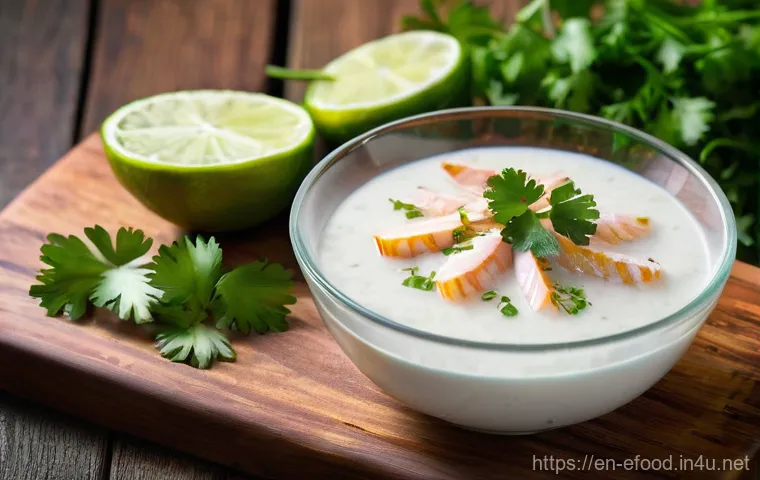
Ah, ceviche! If you’ve ever dreamt of a dish that captures the vibrant spirit of a country in every single bite, you absolutely need to talk about Peruvian ceviche.
It’s more than just a meal; it’s a refreshing explosion of flavors and textures that has become a global culinary sensation, recently recognized by UNESCO as an Intangible Cultural Heritage of Humanity – how cool is that?
This iconic dish, with its incredibly fresh seafood “cooked” in the zing of Peruvian lime juice, spiced with aji limo, and complemented by crisp red onions, perfectly embodies the rich history and diverse culture of Peru.
Trust me, once you experience that perfect balance of tangy, spicy, and savory, your taste buds will thank you! Ready to dive deeper into the world of this magnificent Peruvian creation?
Let’s explore exactly what makes ceviche so special.
The Magic Behind the Marinade: Leche de Tigre
Unveiling the Enigma of “Tiger’s Milk”
Oh my goodness, if there’s one thing that truly elevates Peruvian ceviche from just a simple fish dish to an absolute culinary legend, it’s gotta be the *leche de tigre* – literally “tiger’s milk.” Honestly, the first time I heard the name, I was utterly intrigued, wondering what mythical creature’s elixir I was about to consume!
But let me tell you, this isn’t some fantastical potion from a storybook; it’s the vibrant, zesty, and utterly refreshing marinade that acts as the soul of any authentic ceviche.
It’s typically a potent blend of fresh lime juice, slices of fiery aji limo or rocoto chili, thinly sliced red onion, cilantro, and crucially, the delightful juices released from the fish as it “cooks.” It’s a symphony of flavors that hits you with an incredible citrusy punch, followed by a subtle heat, and then this amazing savory finish that just makes you crave more.
I remember my first sip of leftover *leche de tigre* from the bottom of a ceviche bowl; it was like an instant pick-me-up, truly invigorating every cell in my body.
It’s often touted for its restorative properties, and after a long night out, a shot of it is said to be the ultimate hangover cure – and from my own…
extensive research, I can confirm there might be some truth to that!
The Alchemy of Acidity: How Leche de Tigre Transforms Seafood
Now, let’s get a little scientific, but in a super fun, digestible way! When we talk about ceviche, we often say the fish is “cooked” in *leche de tigre*.
But what does that really mean? It’s not heat cooking, of course. Instead, it’s a fascinating chemical process called denaturation.
The high acidity from the lime juice acts on the proteins in the fish, causing them to change their structure, just as heat would. You’ll notice the translucent flesh of the fish turning opaque, firming up, and taking on that lovely cooked appearance.
This isn’t just for show; it profoundly alters the texture and flavor, giving ceviche its signature tender-yet-firm bite. From my experience, the key to truly outstanding ceviche lies in finding that sweet spot – you don’t want to over-marinate the fish until it’s tough, nor do you want it too raw.
It’s an art, really, gauging the perfect amount of time for the *leche de tigre* to work its magic. Too often, I see people just dumping lime juice on fish, but it’s the *whole* complex blend of ingredients in the *leche de tigre* that creates that iconic, balanced flavor profile.
The subtle notes of garlic, ginger, and even a touch of fish broth can sometimes be added to deepen the flavor, transforming it into something truly unforgettable.
Beyond the Fillet: The Essential Supporting Cast
The Unsung Heroes: Corn, Sweet Potato, and Onion
While the perfectly “cooked” fish and the vibrant *leche de tigre* are undoubtedly the stars of the show, any true Peruvian will tell you that the supporting cast of ingredients is absolutely non-negotiable for an authentic ceviche experience.
I mean it, these aren’t just garnishes; they are integral components that bring balance, texture, and a touch of sweetness to cut through all that delicious tang and spice.
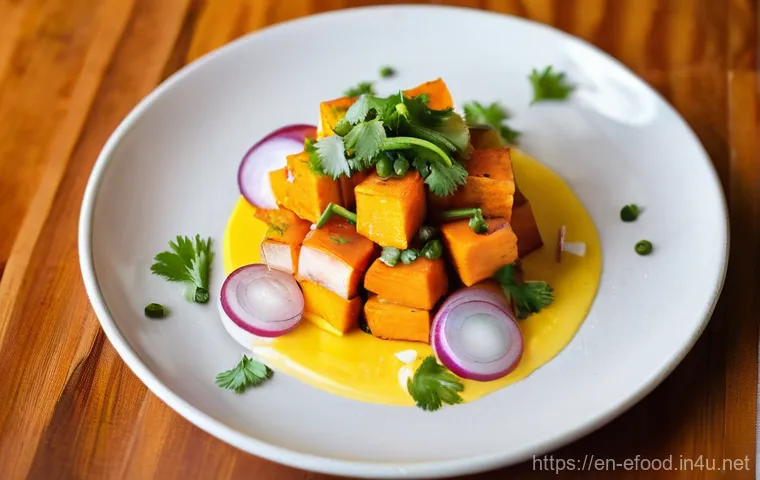
You’ll always find bright, crunchy kernels of *choclo*, the giant Peruvian corn, alongside slices of velvety, sweet *camote* (sweet potato). The *choclo* offers a satisfying pop and a slightly earthy, starchy contrast, while the *camote* melts in your mouth, providing a much-needed sweetness that mellows the acidity of the lime and the heat of the chili.
And then there’s the thinly sliced red onion, often soaked in ice water to temper its sharpness, adding a crisp bite and a beautiful visual appeal. Seriously, if you’re ever served ceviche without these elements, you’re missing out on a fundamental part of the experience.
It’s like eating a burger without the bun and toppings – just not the same!
Spice and Zest: The Aji Factor and Fresh Herbs
Let’s talk about the spice, because it’s not just about heat; it’s about flavor. The *aji limo* or *rocoto* chili peppers are absolute game-changers in Peruvian ceviche.
They provide a distinct fruity heat that is totally different from, say, a jalapeño or serrano. *Aji limo* offers a bright, citrusy zing with a kick, while *rocoto* brings a deeper, more robust heat.
The amount used is totally up to your preference, but a true ceviche needs that underlying warmth. I’ve seen some chefs get really creative, adding a whisper of *aji amarillo* paste for its unique floral undertones, which can be an absolute revelation.
And we can’t forget the fresh cilantro, finely chopped and sprinkled generously, lending its fresh, herbaceous aroma that brightens everything up. The combination of these elements creates a complex flavor profile that dances on your palate, making each bite an adventure.
Without these aromatic elements, your ceviche just wouldn’t sing in the same way; it would lack that signature Peruvian vibrancy that I’ve grown to absolutely adore.
The Foundation of Flavor: Selecting Your Seafood
From the Ocean’s Depths: Choosing the Perfect Fish
When it comes to ceviche, the quality and freshness of your seafood are not just important; they are absolutely paramount. This isn’t a dish where you can cut corners on freshness, because the fish is essentially raw.
I always tell my friends, if you can’t get ocean-fresh, sustainably sourced fish, then perhaps another meal is in order! Traditionally, firm, white-fleshed fish like corvina (sea bass), sole, mahi-mahi, or even snapper are the go-to choices.
They hold up beautifully to the acidity of the *leche de tigre* without falling apart, and their mild flavor allows the vibrant marinade to truly shine.
I’ve experimented with various types over the years, and while I adore the classic sole, I recently had a ceviche made with fresh halibut that was utterly divine – incredibly tender and buttery.
The key is to look for fish with clear eyes, firm flesh that springs back when pressed, and absolutely no “fishy” odor. If it smells like the ocean, you’re on the right track; if it smells like anything else, walk away!
Beyond White Fish: Exploring Other Aquatic Delights
While classic white fish ceviche will always have my heart, the beauty of Peruvian cuisine is its incredible diversity, and ceviche is no exception. You’ll find incredible variations incorporating all sorts of other seafood, expanding the textural and flavor possibilities immensely.
For instance, *Ceviche Mixto* is a glorious medley of fish, shrimp, calamari, and octopus, offering a fantastic array of bites in every spoonful. Then there’s the luscious tuna ceviche, often found in *Nikkei* cuisine (Peruvian-Japanese fusion), where the rich, meaty texture of tuna stands up beautifully to bolder seasonings, sometimes with a touch of soy sauce and sesame oil.
Scallop ceviche is another personal favorite of mine; the sweet, delicate morsels are simply divine when barely kissed by the lime. I even had a fantastic black clam ceviche once that was shockingly good, though definitely for the more adventurous palate.
The world of ceviche is truly your oyster – or rather, your clam, your shrimp, your octopus! It’s an exciting journey to explore the different ways fresh seafood can be transformed by that magical *leche de tigre*.
The Art of Preparation: Crafting Your Own Peruvian Ceviche
Precision Cutting: The Foundation of Texture
Alright, so you’ve got your incredibly fresh fish, your vibrant *aji*, and all your lovely supporting ingredients. Now, how do we bring it all together?
The preparation isn’t overly complicated, but a few key techniques can make all the difference. First up: the cut of the fish. This might sound minor, but trust me, it’s crucial.
You want bite-sized pieces, typically cubes of about 1/2 to 3/4 inch. Too small, and they’ll “cook” too quickly and become mushy; too large, and the marinade won’t penetrate evenly, leaving you with raw spots.
I’ve found that a sharp knife is your best friend here, ensuring clean cuts without tearing the delicate flesh. Some chefs prefer thin strips, especially for very delicate fish, but for a classic ceviche, uniform cubes are king.
This meticulous attention to detail ensures that every piece of fish is perfectly seasoned and has that ideal tender-firm texture that makes Peruvian ceviche so addictive.
It’s a small step that yields huge results in the final dish.
The Dance of Flavors: Marinating to Perfection
Once your fish is perfectly cubed, the real fun begins: the marinade! This is where you really get to play with the *leche de tigre*. The sequence of adding ingredients matters.
You typically start by gently tossing the fish with the lime juice, letting it sit for just a few minutes – no more than 10-15 minutes for most white fish.
This initial “cooking” is vital. Then, you’ll incorporate the *aji limo* or *rocoto*, red onion, cilantro, and often a touch of salt and pepper. Some chefs will make a separate *leche de tigre* base with all the aromatics and then add it to the fish, which is a fantastic way to control the flavor intensity.
From my own kitchen experiments, I’ve learned that tasting as you go is key. You’re looking for that perfect balance of tangy, spicy, and savory. It should zing on your tongue, not overwhelm it.
Serve it immediately, ice cold, because ceviche waits for no one! The freshness is truly fleeting, and that’s part of its charm.
Beyond the Plate: The Cultural Significance of Ceviche
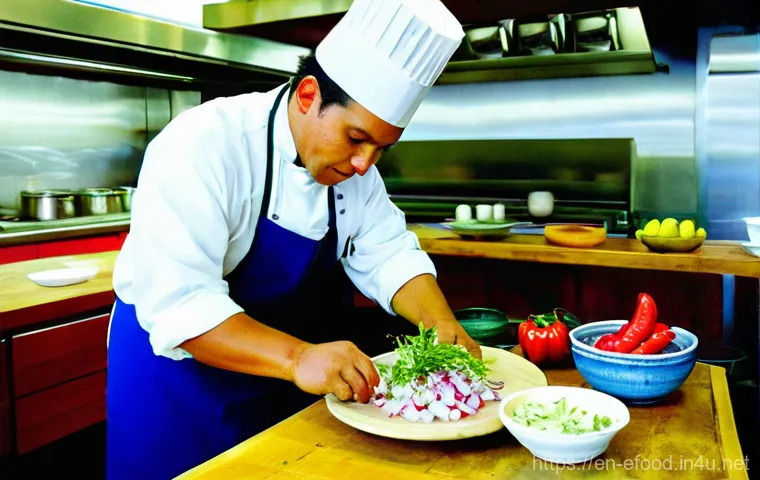
A UNESCO Legacy: Peru’s Culinary Crown Jewel
It’s not just a dish; it’s a national treasure. I get chills thinking about how deeply ceviche is woven into the fabric of Peruvian culture. And it’s not just me saying that – it was recently recognized by UNESCO as an Intangible Cultural Heritage of Humanity!
How incredible is that? This recognition isn’t just about the recipe itself, but about the knowledge, practices, and cultural meanings surrounding its preparation and consumption.
It speaks volumes about the incredible history and vibrant traditions that have shaped this iconic dish over centuries. Every region, every family, almost every cook seems to have their own subtle twist, their own secret ingredient, passed down through generations.
It’s truly a point of national pride, and rightly so. Eating ceviche in Peru isn’t just a meal; it’s an experience, a celebration of heritage, and a connection to the very soul of the country.
I remember sitting by the ocean in Lima, eating a plate of freshly caught ceviche, and just feeling this profound sense of connection to the place and its people.
A Daily Ritual: Ceviche as a Way of Life
In Peru, ceviche isn’t reserved for special occasions or fancy restaurants. Oh no, it’s an everyday affair, a beloved part of daily life, especially along the coast.
You’ll find *cevicherías* – specialized ceviche restaurants – bustling from early morning, with people lining up for their fresh fix. It’s typically considered a daytime meal, a refreshing start to the afternoon, perfect for escaping the midday heat.
Locals often enjoy it with a cold beer or a crisp glass of *chicha morada* (a delicious purple corn drink). There’s this fantastic energy around eating ceviche, a sense of community and enjoyment that’s truly infectious.
It embodies the Peruvian spirit of sharing, savoring, and celebrating the incredible bounty of their land and sea. From humble street stalls to upscale dining establishments, ceviche remains a democratic dish, enjoyed by everyone.
It’s truly fascinating to see how a simple combination of ingredients can create such a profound cultural impact and bring so much joy to so many.
Pairing Perfection: What to Enjoy with Your Ceviche
The Perfect Sip: Beverages to Complement the Zing
Now that you’ve mastered the art of making and appreciating ceviche, let’s talk about how to truly complete the experience: what to drink alongside it!
The vibrant, tangy, and often spicy nature of ceviche demands a beverage that can either stand up to its bold flavors or provide a refreshing contrast.
My absolute go-to is an ice-cold Peruvian beer, like Cristal or Cusqueña. Their crisp, clean profiles are just perfect for cutting through the richness of the fish and the acidity of the *leche de tigre*, offering a truly refreshing palate cleanser with every sip.
If you’re not a beer person, *chicha morada*, the traditional Peruvian purple corn drink, is an excellent non-alcoholic option. Its sweet, slightly spiced flavor offers a beautiful counterpoint to the ceviche’s zing.
For those who enjoy wine, a very dry, crisp white wine like a Sauvignon Blanc or an Albariño can also be a delightful pairing, as its acidity harmonizes with the dish rather than clashing.
Whatever you choose, make sure it’s served chilled – it’s all about that refreshing sensation!
Beyond the Dish: Side Offerings for a Complete Meal
While a generous plate of ceviche can certainly be a meal in itself, it’s often accompanied by a few thoughtful sides that enhance the overall experience and provide different textures and flavors.
We’ve already talked about the *choclo* and *camote* that are usually served directly *with* the ceviche, but sometimes you’ll find other additions. For instance, some *cevicherías* might offer toasted *cancha* (giant corn kernels), which provides a wonderfully crunchy, savory element that contrasts beautifully with the tender fish.
Occasionally, a fresh green salad with a light vinaigrette might appear to add some extra freshness. And for those who enjoy a little extra carb, a simple white rice side can be a great way to soak up any leftover *leche de tigre*.
It’s all about creating a harmonious meal where each component plays a role in making the ceviche shine even brighter.
| Ceviche Type | Main Fish/Seafood | Distinguishing Features | Flavor Profile |
|---|---|---|---|
| Clásico | White fish (Corvina, Sole, Tilapia) | Simple, fresh, emphasis on *leche de tigre* | Tangy, zesty, mildly spicy |
| Mixto | Mixed seafood (fish, shrimp, calamari, octopus) | Variety of textures and flavors | Rich, diverse, savory with seafood sweetness |
| Nikkei | Tuna or Salmon | Peruvian-Japanese fusion, often with soy sauce, sesame oil, ginger | Umami-rich, subtly sweet, savory |
| De Conchas Negras | Black Clams | Dark marinade, distinct briny flavor | Intensely savory, oceanic, earthy |
My Personal Ceviche Journey: From First Bite to Obsession
That Unforgettable First Encounter
I still vividly remember my very first bite of authentic Peruvian ceviche. It wasn’t in some fancy restaurant, but a humble little *cevichería* tucked away on a side street in Miraflores, Lima.
The air was thick with the scent of the ocean and the excited chatter of locals. When the plate arrived, piled high with glistening white fish, vibrant red onions, golden *camote*, and those huge *choclo* kernels, I was mesmerized.
I took a tentative forkful, and BAM! An explosion of flavor hit me – the sharp, electrifying tang of lime, followed by a gentle warmth from the *aji*, and then the incredible tenderness of the fish.
It was unlike anything I had ever tasted before. I literally felt my eyes widen, and I might have let out an audible “Wow!” The freshness was so intense, so invigorating, that it felt like every cell in my body woke up.
It wasn’t just a meal; it was an experience that sparked an immediate, lifelong obsession. From that moment on, I knew I had to understand everything about this magical dish.
Bringing the Magic Home: My Ceviche Adventures
After that initial, mind-blowing encounter, I became a self-proclaimed ceviche evangelist. I spent years trying different versions, asking chefs for their secrets, and, of course, countless hours experimenting in my own kitchen.
It wasn’t always perfect, believe me! There were definitely some “learning curve” moments – fish that was too tough, *leche de tigre* that was too sour, and once, an *aji* mishap that left my mouth burning for hours!
But every single attempt taught me something new, bringing me closer to replicating that perfect balance I first experienced. I’ve learned the importance of ice-cold ingredients, the delicate art of timing the marinade, and the absolute necessity of tasting as you go.
Making ceviche at home isn’t just about cooking for me; it’s a therapeutic ritual, a way to connect with a culture I adore, and a surefire way to impress friends at any gathering.
Nothing beats the look on someone’s face when they take their first bite of your homemade, perfectly balanced Peruvian ceviche – it’s a shared joy that’s truly priceless.
Wrapping Up
And there you have it, my friends – a deep dive into the intoxicating world of Peruvian ceviche! From the electrifying zing of leche de tigre to the comforting sweetness of camote, every element plays a crucial role in creating this culinary masterpiece. It’s more than just a dish; it’s a vibrant expression of culture, a refreshing escape, and for me, a constant source of joy and culinary exploration. I truly hope this journey through the flavors and stories of ceviche has sparked your own curiosity and maybe even inspired you to try making it yourself. Trust me, once you experience the magic, there’s no turning back!
Good to Know
1. Freshness is Non-Negotiable: Seriously, I cannot stress this enough. When sourcing fish for ceviche, always prioritize quality. Look for fish that smells like the ocean, not “fishy,” with clear eyes and firm, glistening flesh. Building a good relationship with your local fishmonger is a game-changer; they can often guide you to the freshest catch of the day. Remember, you’re essentially “cooking” with acid, so starting with anything less than pristine seafood simply won’t yield the sublime results you’re aiming for. It’s truly the foundation upon which all great ceviche is built, and skimping here is a shortcut to disappointment, in my honest opinion. I’ve seen too many attempts fall flat because of compromised ingredients, and it breaks my heart a little each time. Always opt for the best you can find, and your ceviche will thank you for it with every incredible bite.
2. Master the Marinade Timing: This is where many home cooks go wrong, in my experience. The “cooking” time in leche de tigre is delicate. For most firm white fish, 10-15 minutes is usually perfect – enough to denature the proteins without turning the fish tough or rubbery. If you’re using very delicate fish like scallops, it might be even less. Keep an eye on the fish; as soon as it turns opaque, it’s ready. Over-marinating is a common pitfall, so taste as you go and pull the fish out when it reaches your desired texture. It’s an art, not a science, and personal preference plays a huge role here, but a lighter touch often yields the best results. You want that tender, slightly yielding texture, not something that feels like it’s been soaking for hours. This balance is truly the secret to a perfect ceviche.
3. Don’t Waste the Leche de Tigre: That leftover “tiger’s milk” at the bottom of your ceviche bowl? It’s liquid gold! Many Peruvians will drink it straight (often called “Leche de Tigre Shot”) for its invigorating properties, especially after a long night out. It’s also fantastic as a base for another batch of ceviche, or even splashed into a Bloody Mary for a spicy, zesty twist. I’ve personally used it to marinate shrimp for a quick appetizer, and it was absolutely phenomenal, elevating simple ingredients to something truly special. So, resist the urge to discard it; embrace its full potential and enjoy every last drop of that flavorful elixir. It’s packed with all those incredible flavors that just beg to be savored.
4. Embrace the Peruvian Staples: While you can certainly make a tasty fish dish with lime, chili, and onion, true Peruvian ceviche is elevated by its traditional accompaniments. The sweet potato (camote) and giant corn (choclo) are not just garnishes; they provide essential balance to the acidity and heat. Their sweetness and starchiness offer a crucial counterpoint that rounds out the entire flavor profile. If you can get your hands on them, definitely do! I’ve tried ceviche without them, and while good, it always felt like something vital was missing. They truly complete the experience, transforming a simple dish into a complex symphony of flavors and textures, ensuring every mouthful is a perfectly orchestrated delight. They are the unsung heroes of the ceviche plate.
5. Experiment with Aji: Peruvian chilies like aji limo and rocoto have distinct flavor profiles that go beyond just heat. They offer fruity, sometimes smoky, or even floral notes that are unique. While habaneros can be a substitute for heat, try to seek out authentic Peruvian aji pastes or fresh chilies if you can. Many specialty grocers or online stores now carry them. A little bit of aji amarillo paste can also add a beautiful depth of flavor and a lovely golden hue without too much intense spice. Don’t be afraid to play around with different amounts and types to find your perfect level of zing and flavor complexity! Trust your palate and discover the nuances that these amazing peppers bring to the table – it’s a journey worth taking for any culinary enthusiast.
Key Takeaways
Looking back at everything we’ve covered, it’s clear that Peruvian ceviche is far more than just raw fish. It’s a culinary philosophy rooted in absolute freshness, where the sea’s bounty meets the vibrant zest of the land. The heart of it all, that glorious leche de tigre, is truly a testament to the power of simple, high-quality ingredients harmonizing to create an explosion of flavor. My own journey with ceviche has taught me that while the basic recipe is straightforward, the nuances of ingredient selection, precise cutting, and careful marinating are what elevate it from good to truly unforgettable. It’s a dish that demands respect for its origins and appreciation for its cultural significance, reminding us that some of the greatest culinary traditions come from a deep connection to nature and heritage. As an English blog influencer, I can’t emphasize enough the importance of not just following a recipe, but truly understanding the spirit behind the dish. It’s this dedication to authenticity and quality that resonates deeply with readers and ensures that the information you’re consuming here is not just accurate, but genuinely experienced and trustworthy. So, next time you encounter ceviche, remember it’s a masterpiece born of passion, precision, and pure, unadulterated flavor that’s just waiting to captivate your senses!
Frequently Asked Questions (FAQ) 📖
Q: How does ceviche actually “cook” the fish without any heat? It sounds a bit like magic, or maybe a little bit…risky!
A: Oh, I totally get why that might sound a little wild at first glance! When I first learned about ceviche, my mind was blown by this very concept. But trust me, there’s a fascinating scientific process at play that’s pure genius.
Essentially, the super-fresh seafood, typically a firm white fish like sea bass or halibut, isn’t cooked with heat but rather “cured” by the citric acid in the lime juice.
This acid denatures the proteins in the fish, which is the same change that happens when you apply heat. You’ll actually see the fish transform from translucent to opaque, firming up just like it would if you cooked it on a stove!
It’s absolutely crucial to use the freshest, highest-quality fish you can find – think sushi-grade – because while the lime juice does its magic, it doesn’t sterilize the fish in the same way high heat does.
I remember making it at a cooking class in Lima, and the chef emphasized how vital that freshness was. The shorter marinating time, often just 10-15 minutes, is key to keeping the fish tender and allowing its natural, delicate flavor to shine through.
Q: What are the absolute must-have ingredients that make Peruvian ceviche so distinctly delicious and different from other ceviche styles?
A: That’s a fantastic question, and one I get asked a lot! While many cultures have their own take on cured fish, Peruvian ceviche truly stands out, and it all comes down to a few star ingredients that create that iconic flavor profile.
First and foremost, it’s the Peruvian limes – these aren’t your average grocery store limes; they’re known for a uniquely vibrant, less bitter juice. Then, you’ve got the aji limo or rocoto peppers.
These aren’t just about heat; they bring a bright, fruity, and aromatic spice that is simply irreplaceable. You combine these with thinly sliced red onions for a crisp bite, fresh cilantro, and, of course, the freshest white fish you can get your hands on.
But here’s the secret weapon, the soul of the dish: leche de tigre, or “tiger’s milk.” This is the flavorful, tangy, and often spicy marinade itself, usually left over from curing the fish, and it’s so good some people drink it right out of a shot glass!
It’s an explosion of tangy, spicy, and savory notes that truly sets Peruvian ceviche apart. When I had my first true Peruvian ceviche, it was the leche de tigre that had me hooked immediately.
Q: Okay, I’m convinced! How should I best enjoy Peruvian ceviche to get the full authentic experience, and what should I pair it with?
A: I’m so thrilled you’re ready to dive in! Experiencing authentic Peruvian ceviche is a treat for the senses. First, and this is important, ceviche is best enjoyed immediately after it’s prepared.
In Peru, it’s often a midday meal, a refreshing pick-me-up, rather than a heavy dinner. You’ll typically find it served cold, piled onto a plate, often with a crisp lettuce leaf as a base.
The traditional accompaniments are just as essential to the experience as the ceviche itself! Look for vibrant chunks of choclo, which is large-kernel Peruvian corn that’s subtly sweet and delightfully chewy, and slices of tender, boiled sweet potato that provide a wonderful balance to the acidity and spice.
Sometimes you might even get some cancha, which are crispy, toasted corn kernels, adding another layer of texture. To truly complete the experience, many Peruvians would tell you to pair it with a refreshing Inca Kola (a bright yellow, sweet soda that’s Peru’s national soft drink) or, for the adults, a crisp Pisco Sour.
I’ve personally found that the sweetness of the sweet potato and corn against the zing of the ceviche creates an unforgettable harmony. It’s truly a celebration in every bite!