When it comes to German sausages, the variety is truly impressive, each with its own unique flavor, texture, and regional history. From the smoky richness of Nürnberger bratwurst to the hearty, spiced flavors of Thüringer, these sausages have captured the hearts of food lovers worldwide.

Exploring the differences not only helps you appreciate German culinary tradition but also guides you in choosing the perfect sausage for your next meal or grill party.
Whether you’re a seasoned foodie or just starting your sausage journey, understanding what sets each type apart can transform your dining experience. Let’s dive in and uncover the delicious details together!
Distinct Regional Flavors Shaping German Sausages
Southern Germany’s Sausage Specialties
Southern Germany offers a fascinating array of sausages, each crafted with regional pride and centuries of tradition. Take Nürnberger bratwurst, for example—these tiny, thin sausages are seasoned with marjoram, giving them a distinct herbal aroma that’s hard to resist.
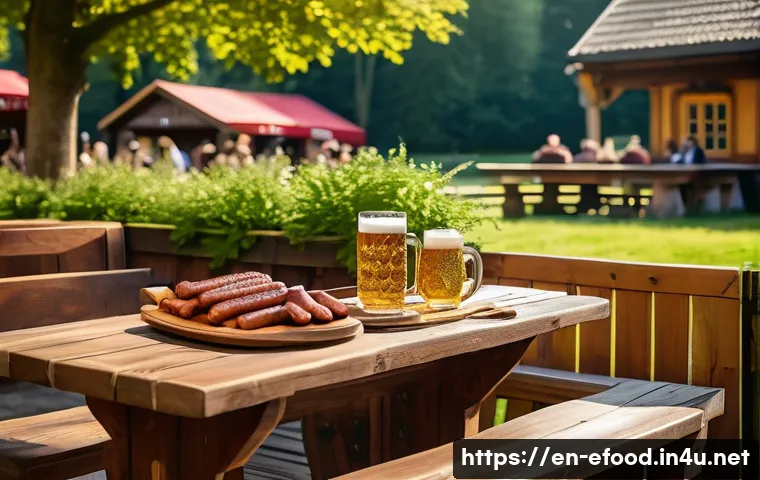
They’re usually grilled over beechwood charcoal, which adds a subtle smoky flavor that really sets them apart. When I first tried Nürnberger at a local beer garden, the delicate seasoning combined with the smoky char made me appreciate how regional nuances influence taste.
Similarly, Bavarian Weisswurst is another classic from the south, made from veal and pork back bacon and traditionally served with sweet mustard and freshly baked pretzels.
This sausage’s pale color and mild flavor contrast sharply with the smoky bratwurst, showcasing the diversity within just one region.
Thuringia’s Hearty and Spiced Traditions
Moving eastward, Thüringer sausages embody a heartier, spicier profile that reflects the region’s culinary history. These sausages are longer and thicker, packed with coarsely ground pork and seasoned with garlic, caraway, and marjoram.
What struck me about Thüringer was how the spices don’t overpower but instead create a robust, savory flavor that pairs wonderfully with mustard and sauerkraut.
Grilling these sausages over an open flame brings out an irresistible charred crust that contrasts with their juicy interior. Thüringer sausages are often enjoyed at street festivals and markets, where their bold flavor acts as a perfect companion to local beers.
The combination of spice and tradition makes Thüringer an essential taste of Germany’s sausage heritage.
North German Varieties and Their Subtle Differences
Northern Germany offers sausages that tend to be milder and less spiced compared to their southern and eastern counterparts. For instance, the Kieler Sprotten sausage, although technically a smoked fish, is often enjoyed alongside sausages in this region, highlighting the coastal influence.
When it comes to meat sausages, you’ll find varieties like the Holsteiner Mettwurst, which is a cured and smoked pork sausage with a softer texture and a hint of garlic.
Unlike the bold spices of Thüringer, these northern sausages emphasize the natural flavors of the meat and smoking process. I remember trying Holsteiner Mettwurst at a seaside market, where its balanced smoky notes and smooth texture made it a perfect snack with rye bread and pickles.
Texture and Preparation: What Makes Each Sausage Unique?
Grinding and Meat Composition
One of the key factors influencing the texture of German sausages is the grind of the meat. Some sausages, like the Thüringer, use a coarser grind, giving them a satisfying bite and a rustic feel.
Others, such as the Bavarian Weisswurst, have a much finer grind, resulting in a smooth, almost velvety texture. From my experience cooking these at home, coarser sausages hold up better on the grill, developing a crispy outer layer while staying juicy inside.
Finer-ground sausages often require gentler cooking methods like simmering or steaming to avoid falling apart, which is why Weisswurst is traditionally boiled in hot water rather than grilled.
Smoking vs. Fresh Sausages
Smoking is another defining characteristic that sets many German sausages apart. Smoked varieties like the Holsteiner Mettwurst or the Franconian Blutwurst have a deep, complex flavor profile thanks to the slow smoking process, which infuses the meat with woody undertones and helps preserve it.
On the other hand, fresh sausages like Nürnberger bratwurst or the classic bratwurst from Franconia are sold raw and meant to be cooked just before eating.
I found that smoked sausages tend to have a longer shelf life and are perfect for cold platters or sandwiches, while fresh sausages offer a more vibrant and juicy eating experience when grilled or pan-fried.
Traditional Cooking Techniques and Serving Styles
The way sausages are cooked and served also plays a huge role in their final flavor and texture. For example, Nürnberger bratwurst is typically grilled and served with sauerkraut or potato salad, while Weisswurst is traditionally simmered and eaten with sweet mustard and freshly baked pretzels, emphasizing its delicate flavor.
Thüringer sausages often get the open-flame treatment at festivals, where the slight charring enhances their spice blend. I’ve noticed that the accompanying sides and condiments, like mustard varieties ranging from sweet to spicy, also influence the overall taste experience.
These details show how preparation techniques and serving customs are as important as the sausage itself.
Popular German Sausages and Their Characteristics
| Sausage | Region | Main Ingredients | Texture | Flavor Profile | Common Preparation |
|---|---|---|---|---|---|
| Nürnberger Bratwurst | Bavaria | Pork, marjoram | Fine, thin | Herbal, mildly smoky | Grilled over beechwood charcoal |
| Thüringer Rostbratwurst | Thuringia | Pork, garlic, caraway, marjoram | Coarse, thick | Spicy, savory | Grilled over open flame |
| Bavarian Weisswurst | Bavaria | Veal, pork back bacon | Very fine, smooth | Mild, delicate | Simmered, served with sweet mustard |
| Holsteiner Mettwurst | North Germany | Pork, garlic | Soft, cured | Smoky, savory | Smoked, eaten cold or heated |
| Franconian Blutwurst | Franconia | Pork blood, fat, barley | Soft, spreadable | Rich, earthy | Smoked or boiled |
How to Choose the Right Sausage for Your Occasion
Pairing Sausages with Beverages
Choosing the perfect German sausage can be a game-changer for your meal or party, especially when you consider beverage pairings. For instance, Nürnberger bratwurst pairs beautifully with lighter lagers or wheat beers, as their herbal notes complement the beer’s crispness without overpowering it.
On the other hand, the robust Thüringer sausages stand up well to darker, maltier beers like a Dunkel or Bock, which can balance out the spice and richness.
From personal experience hosting BBQs, having a variety of beer options alongside different sausages really enhances the overall enjoyment and encourages guests to try new combinations.
Considering Cooking Methods and Equipment
The cooking method is another important factor when selecting a sausage. If you’re grilling outdoors, sturdier sausages like Thüringer or Nürnberger bratwurst are ideal because they hold their shape and develop a tasty char.
For indoor cooking, especially if you don’t have access to a grill, Weisswurst’s gentle simmering method is a great choice and pairs wonderfully with traditional sides.
When I’m short on time, I sometimes opt for smoked sausages like Holsteiner Mettwurst, which can be eaten cold or quickly heated, making them convenient without sacrificing flavor.
Balancing Flavor Intensity and Accompaniments
Finally, consider how intense you want the sausage flavor to be and what sides or condiments you plan to serve. If you prefer a milder, subtler flavor, Bavarian Weisswurst or northern varieties might suit your palate better.
For those who enjoy bold, spicy bites, Thüringer or Franconian sausages offer a satisfying punch. I’ve found that pairing spicier sausages with simple sides like sauerkraut, potato salad, or fresh bread allows their flavors to shine without overwhelming the palate.
Experimenting with mustard types—from sweet Bavarian to sharp Düsseldorf—can also elevate the entire meal.

Understanding German Sausage Terminology
Common Sausage Types and Their Names
German sausages come with a variety of names that reflect their regional origins or preparation styles, which can sometimes be confusing for newcomers.
Words like “Bratwurst” literally mean “fried sausage,” but within that category, there are many subtypes such as Nürnberger or Thüringer, each with distinct traits.
“Weisswurst” translates to “white sausage,” referring to its pale color due to the veal and pork mixture. Then there’s “Mettwurst,” which usually indicates a cured and smoked sausage made from raw minced pork.
Learning these terms helps you navigate menus and shops more confidently, making your German sausage exploration smoother and more enjoyable.
Labels Indicating Quality and Authenticity
When shopping for German sausages, you might notice labels like “Original,” “Protected Geographical Indication (PGI),” or regional seals. These labels signify that the sausage adheres to traditional recipes and comes from a specific region, guaranteeing authenticity and quality.
For example, Nürnberger bratwurst has PGI status, meaning it must be made in the city of Nuremberg to carry that name. I always look for these indicators when buying sausages abroad or online because they ensure that I’m getting a genuine product that respects its heritage.
Decoding Ingredients and Additives
Another important aspect is understanding the ingredient list, especially if you’re health-conscious or have dietary restrictions. Traditional German sausages primarily contain pork or veal, natural spices, and sometimes curing agents like salt or nitrites.
However, some commercial versions may include fillers or preservatives to extend shelf life. From my experience reading labels, sausages with simpler ingredient lists often taste fresher and more authentic.
If you’re cooking for a crowd, opting for artisanal or locally sourced sausages can also make a noticeable difference in flavor and texture.
Exploring Sausage Pairings Beyond the Grill
Sausages in Traditional German Dishes
German sausages aren’t just for grilling; they feature prominently in many classic dishes that showcase their versatility. For example, the hearty Currywurst is a beloved street food made by slicing bratwurst and smothering it in a tangy curry ketchup sauce, often served with fries.
Another favorite is Sausage with Sauerkraut and Mashed Potatoes, a comforting meal that balances the rich sausage with tangy cabbage and creamy sides.
When I tried making a sausage stew with smoked Mettwurst, the deep smoky flavor added an incredible depth to the broth, turning a simple dish into something special.
Creative Uses in Modern Cuisine
Beyond tradition, chefs are experimenting with German sausages in innovative ways. I recently came across a recipe where thin slices of Nürnberger bratwurst were incorporated into a gourmet flatbread with caramelized onions and mustard aioli, blending rustic flavors with modern culinary trends.
Similarly, Thüringer sausages can be diced and added to pasta sauces or hearty salads for an extra punch of flavor. These creative applications show how German sausages can transcend their classic roles and inspire new dishes that appeal to contemporary palates.
Snacking and Sandwich Ideas
Sausages also make fantastic snacks or sandwich fillings, perfect for casual meals or on-the-go eating. For instance, a simple sandwich with Holsteiner Mettwurst, sharp mustard, and crusty rye bread highlights the sausage’s smoky notes and soft texture.
I’ve also enjoyed Bavarian Weisswurst in a bread roll with sweet mustard during Oktoberfest celebrations, which is a delightful and easy way to savor traditional flavors.
These quick, satisfying options make German sausages a versatile ingredient that fits into everyday eating as well as festive occasions.
In Conclusion
German sausages offer an incredible journey through the country’s rich culinary heritage, with each region bringing its own unique flavors and textures to the table. From the delicate herbs of southern varieties to the robust spices of Thuringia, these sausages reflect centuries of tradition and local pride. Whether grilled, smoked, or simmered, they provide endless opportunities for delicious meals and creative pairings. Exploring these sausages opens up a deeper appreciation for Germany’s food culture and its timeless passion for quality ingredients.
Useful Information to Keep in Mind
1. When selecting German sausages, consider the regional origin to understand their flavor profile and traditional preparation methods.
2. Pairing sausages with appropriate beers or beverages can greatly enhance the overall dining experience.
3. Cooking techniques vary—grilling suits coarser sausages, while delicate types often require gentle simmering or steaming.
4. Authenticity labels like Protected Geographical Indication (PGI) help ensure you’re buying genuine regional specialties.
5. Experimenting with sausages beyond grilling—such as in stews, sandwiches, or modern dishes—can bring exciting new flavors to your table.
Key Takeaways for Sausage Lovers
Understanding the diversity of German sausages is essential to fully enjoy their unique characteristics. Each type varies in texture, seasoning, and preparation, influenced by local traditions and ingredients. Choosing the right sausage depends on the occasion, cooking method, and flavor intensity desired. Recognizing authenticity marks and reading ingredient lists can guide you toward higher quality products. Ultimately, embracing the versatility of these sausages—whether in classic meals or innovative recipes—will enrich your culinary adventures and satisfy your palate.
Frequently Asked Questions (FAQ) 📖
Q: What are the main differences between Nürnberger bratwurst and Thüringer sausages?
A: Nürnberger bratwurst are small, thin sausages known for their smoky and slightly sweet flavor, often seasoned with marjoram. They’re typically grilled and served in sets of six with sauerkraut or potato salad.
On the other hand, Thüringer sausages are longer and thicker, packed with robust spices like garlic, caraway, and pepper, giving them a more intense and savory taste.
They’re a staple in central Germany and are often enjoyed grilled over an open flame, making them perfect for hearty meals or outdoor barbecues.
Q: How should I cook German sausages to get the best flavor and texture?
A: The best way to cook German sausages depends on the type, but generally, gentle grilling or pan-frying over medium heat works wonders. For example, Nürnberger bratwurst benefit from quick, high-heat grilling to lock in their smoky flavor without drying out.
Thüringer sausages, being thicker, do better with slower cooking to ensure they’re cooked through and juicy inside. Avoid piercing the sausages while cooking to keep the juices sealed in, and consider finishing with a light char for that authentic smoky bite.
Personally, I’ve found that cooking them on a grill with indirect heat brings out the best balance of crispness and tenderness.
Q: Can I use German sausages in recipes beyond grilling or frying?
A: Absolutely! German sausages are incredibly versatile. Besides the classic grill or pan-fry, you can slice them into stews, soups, or pasta dishes to add depth and flavor.
For instance, adding sliced Thüringer sausages to a hearty lentil soup elevates the dish with spicy richness. Nürnberger bratwurst can be diced and mixed into potato salads or baked casseroles for a smoky twist.
I once tried a sausage and sauerkraut pizza that was a total game-changer—so don’t hesitate to get creative with these flavorful sausages beyond traditional preparations.