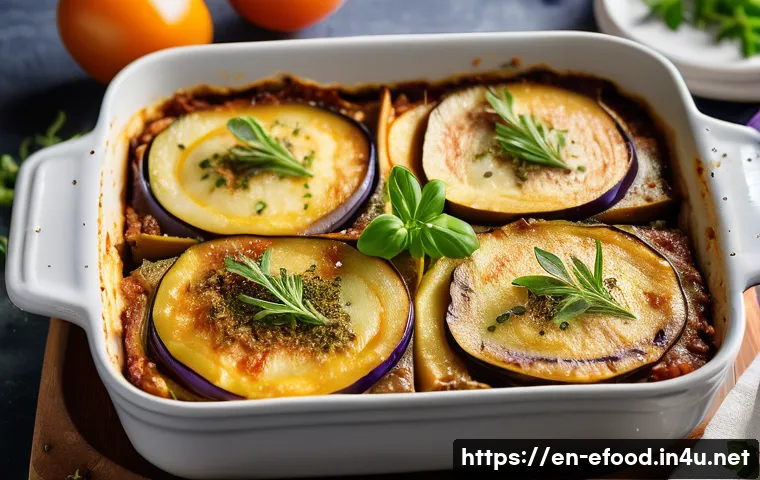
Hey foodies! Ever found yourself craving a meal that’s not just delicious, but also deeply resonant with your values and culture? For me, that’s where the magic of Halal food truly shines.
It’s a vast, vibrant culinary world, rapidly gaining popularity beyond its traditional roots, and trust me, navigating it to find those truly authentic, unforgettable spots can be an adventure in itself.
I’ve personally scoured countless cities, from bustling London markets to hidden gems in New York, to uncover the very best. So, if you’re ready to explore incredible flavors and discover your next cherished dining experience, you’ve come to the right place.
Let’s dive deep into the world of Halal cuisine together and unlock its delicious secrets!
Unpacking the Essence: More Than Just a Dietary Restriction
When I first started my culinary journey into Halal, I admit, I viewed it primarily as a set of rules. But oh, how wrong I was! It’s so much more profound than just avoiding certain ingredients. It’s a holistic approach to food preparation, deeply rooted in ethical treatment, cleanliness, and a profound respect for the source of our sustenance. It’s about ensuring that every animal is treated humanely, that food is prepared in a way that’s wholesome and pure. I’ve found that understanding this deeper meaning truly elevates the dining experience, transforming a simple meal into something truly mindful. It’s not just what you eat, but how it’s brought to your plate, and that connection is something truly special.
The True Spirit of Halal: Ethics and Purity on Your Plate
Diving into the world of Halal food, I quickly realized it wasn’t just about ‘no pork’ or ‘no alcohol’. It’s a comprehensive system that touches on animal welfare, sustainable practices, and hygiene at every step. From the farm to the fork, there’s an emphasis on ethical sourcing and preparation that resonates deeply with conscious eaters. When I visit a Halal butcher or restaurant, I can often feel the care and dedication behind the scenes. This level of commitment to purity and ethical practice is what truly sets Halal cuisine apart for me, and it’s why I often find myself gravitating towards these establishments. It’s about nourishing your body and soul with food that’s been prepared with respect.
Beyond the Certification: My Personal Quest for Authentic Halal
While certifications are super important and definitely a good starting point, I’ve learned that sometimes the most authentic experiences come from those smaller, family-run spots where the grandmother’s recipes are still king. They might not have a big, shiny certificate on the wall, but their dedication to Halal principles is evident in every dish. I recall this one tiny Middle Eastern place in Queens, New York, where the owner personally oversaw every ingredient, and the flavors were just out of this world. It’s about building trust, talking to the owners, and sometimes, just following your nose to those unmistakable aromas. That’s where the real magic happens, in those hidden gems.
A Culinary Passport: Journeying Through Global Halal Flavors
Oh, the sheer diversity of Halal cuisine is something that continues to blow my mind! People often think of it as just Middle Eastern or South Asian food, but that’s like saying “pizza” is the only Italian dish. My travels have shown me that Halal food is a truly global phenomenon, with incredible variations from every corner of the world. From the succulent kebabs of Turkey to the rich curries of Malaysia, the spicy stews of West Africa, and even inventive Halal twists on classic American comfort food – there’s an entire world of flavor waiting to be explored. It’s a testament to how universally appealing and adaptable these culinary principles are, and honestly, it keeps my foodie adventures endlessly exciting.
From Moroccan Tagines to Malaysian Rendang: A World on Your Plate
I remember my first experience with a Moroccan tagine, specifically a Halal lamb tagine, slow-cooked to perfection with apricots and fragrant spices. It was an explosion of sweet and savory that I’ll never forget. Then there was the time I tried Malaysian beef rendang, rich with coconut milk and spices, at a bustling Halal food stall in London – absolute heaven! These aren’t just meals; they’re stories, histories, and cultures expressed through food. Each region brings its own unique spices, cooking techniques, and ingredients, all while adhering to Halal principles. It’s fascinating to see how different cultures interpret and embrace Halal, making each dining experience truly unique.
Finding Halal Fusion: When Traditions Meet Innovation
One of the most exciting aspects of the modern Halal food scene for me is the rise of fusion cuisine. Chefs are getting incredibly creative, blending traditional Halal ingredients and preparation methods with global culinary trends. I’ve had Halal Mexican tacos that were absolutely divine, and even a Halal Korean BBQ spot that completely redefined my expectations. It’s wonderful to see how chefs are pushing boundaries, creating dishes that honor tradition while appealing to a broader, more adventurous palate. These fusion spots often become instant favorites because they offer something genuinely new and exciting, without compromising on the Halal integrity, which is a win-win in my book!
My Secret Sauce: Navigating the Halal Dining Scene Like a Pro
After years of searching out the best Halal spots, I’ve definitely picked up a few tricks of the trade. It’s not always about the fanciest restaurant or the most well-known chain; sometimes the best bites are found in the most unexpected places. I’ve learned to trust local recommendations, scour online communities, and even look for tell-tale signs like specific storefront signage or the presence of a prayer area. It’s become a bit of a game for me, a delightful challenge to uncover those truly special places that offer not just great food, but an authentic Halal experience. And honestly, there’s nothing more satisfying than recommending a hidden gem to a fellow foodie and seeing their face light up.
Leveraging Technology: Apps and Online Communities Are Your Best Friends
In today’s digital age, finding Halal food has never been easier, thanks to a plethora of apps and online communities. I can’t tell you how many amazing places I’ve discovered just by checking out dedicated Halal food blogs, Instagram accounts, and review apps like ZabihaFinder or HalalAdvisor. These platforms are goldmines, often providing not just addresses and menus, but also user reviews, photos, and even details about the Halal certification. It’s like having a personal guide to the Halal world right in your pocket. I always cross-reference a few sources to get a well-rounded picture before heading out, and it rarely disappoints.
Trusting Your Gut (and the Locals!): Old-School Exploration Tactics
While technology is great, there’s something undeniably charming about the old-school way of finding food. When I’m in a new city, I love to strike up conversations with locals. Asking taxi drivers, shop owners, or even people leaving a mosque for their favorite Halal spots has led me to some of the most memorable meals. They know the true hidden gems, the places that don’t rely on flashy marketing but on word-of-mouth and incredible food. It’s a wonderful way to connect with the local community and get an authentic taste of their culinary landscape. And sometimes, just walking around a diverse neighborhood, you’ll stumble upon the most inviting aromas and bustling Halal eateries.
The Halal Business Boom: Supporting a Thriving Industry
It’s truly inspiring to witness the incredible growth of the Halal food industry. What was once a niche market is now a multi-billion-dollar global phenomenon, and for good reason! This isn’t just about catering to a specific demographic; it’s about providing high-quality, ethically sourced food options that appeal to a much broader audience. From major grocery chains stocking certified Halal meats to innovative startups creating Halal-friendly snacks and gourmet meals, the expansion is undeniable. I feel a real sense of pride and connection when I support these businesses, knowing that I’m contributing to an industry that values ethics, quality, and community. It’s an exciting time to be a Halal foodie!
More Than Just Restaurants: The Expanding Halal Market
The reach of the Halal industry extends far beyond your typical restaurant. I’ve seen an explosion of Halal products in supermarkets, from packaged meats and ready-to-eat meals to snacks, cosmetics, and even pharmaceuticals. It’s a testament to the increasing demand and the industry’s ability to innovate and diversify. For me, this means more choices and greater convenience in maintaining a Halal lifestyle, whether I’m dining out or cooking at home. It’s empowering to walk into a mainstream grocery store and find a dedicated section for Halal products, making it easier than ever to adhere to my dietary preferences.
Investing in Quality: Why Premium Halal is Worth It
I’ve definitely found that investing a little more in premium Halal products and dining experiences often pays off significantly. Whether it’s ethically raised Halal poultry from a local farm or a gourmet Halal meal at a fine dining establishment, the quality, flavor, and peace of mind are usually well worth the extra cost. It’s about recognizing the effort and care that goes into sourcing, preparing, and serving truly exceptional Halal food. Think of it as supporting artisans and businesses that uphold high standards, ensuring that you’re getting the best possible product. I’ve rarely regretted splurging a bit on a truly outstanding Halal meal.
Demystifying Misconceptions: What Halal *Isn’t*
One thing I’ve noticed as Halal food gains mainstream attention is the unfortunate proliferation of misconceptions. I often hear people mistakenly associate Halal with a specific religion in a way that implies it’s exclusive or even ‘exotic’ in a limiting sense. It truly saddens me because it misses the broader, more inclusive nature of Halal principles. It’s not about fear or restriction; it’s about purity, ethics, and a commitment to quality food that genuinely welcomes everyone to the table. Clearing up these misunderstandings is something I’m passionate about because the more people understand, the more they can appreciate the richness of this culinary tradition.
Addressing the “Exclusive” Myth: Halal for Everyone
It’s a common misconception that Halal food is only for Muslims. And while its origins are rooted in Islamic dietary laws, the ethical and hygienic standards it upholds resonate with people from all walks of life. I’ve introduced so many non-Muslim friends to Halal cuisine, and they’ve all fallen in love with the flavors, the freshness, and often, the awareness of the source of their food. Halal restaurants are welcoming spaces for anyone seeking delicious, wholesome meals prepared with care. Think of it as a quality assurance mark that anyone can appreciate, regardless of their background. It’s truly a universal culinary language.
Beyond the ‘Exotic’ Stereotype: Halal as Everyday Cuisine
Another myth I’m keen to bust is the idea that Halal food is always “exotic” or something you only eat on special occasions. While there are certainly incredible celebratory Halal dishes, a huge part of the Halal world is everyday comfort food. From the simple yet satisfying Halal carts in New York City to family-style Halal diners serving up hearty breakfasts, it’s integrated into daily life for millions. It’s about enjoying delicious, wholesome meals every single day, just like any other cuisine. It’s about finding that perfect burger, that comforting stew, or that fresh salad – all prepared according to Halal principles.
Bringing the Flavors Home: My Adventures in Halal Cooking
My love for Halal food doesn’t stop at dining out; it extends right into my kitchen! There’s something incredibly satisfying about recreating those amazing flavors I’ve discovered on my travels right in my own home. Cooking Halal has become a delightful part of my culinary routine, allowing me to experiment with new spices, techniques, and ingredients. It’s also a fantastic way to ensure that every dish I prepare meets the high standards of purity and ethical sourcing that are so important to me. Plus, there’s nothing quite like sharing a homemade Halal feast with friends and family, watching them enjoy every single bite!
Stocking Your Halal Pantry: Essential Ingredients for Home Cooks
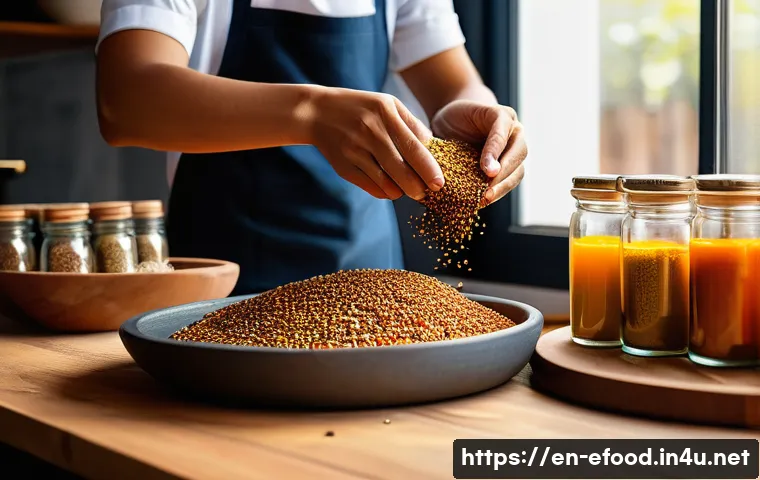
To really dive into Halal cooking at home, having a well-stocked pantry is key. I always make sure I have a good supply of certified Halal meats – chicken, beef, and lamb are my staples. Beyond that, it’s about building up your spice rack with essentials like cumin, coriander, turmeric, paprika, and sumac, which are common in many Halal cuisines. Don’t forget staple grains like basmati rice and couscous, and good quality olive oil. I also love to keep fresh herbs on hand like parsley, cilantro, and mint. With these basics, you’d be amazed at the variety of delicious Halal meals you can whip up!
My Go-To Halal Recipes: From Quick Meals to Weekend Feasts
I’ve got a growing collection of favorite Halal recipes that I turn to regularly. For a quick weeknight meal, a simple chicken and vegetable curry, made with Halal chicken and a blend of aromatic spices, is always a winner. On weekends, when I have more time, I love to tackle a slow-cooked lamb tagine or a hearty beef kofta. I’ve also experimented with Halal takes on classic dishes like Shepherd’s Pie or even homemade pizzas with Halal pepperoni. The beauty is that with quality Halal ingredients, the possibilities are endless, and every meal becomes an opportunity to explore new flavors and traditions.
Here’s a quick guide to some popular Halal cuisine types and what makes them special:
| Cuisine Type | Signature Dishes (Halal Version) | Key Spices & Flavors | My Personal Takeaway |
|---|---|---|---|
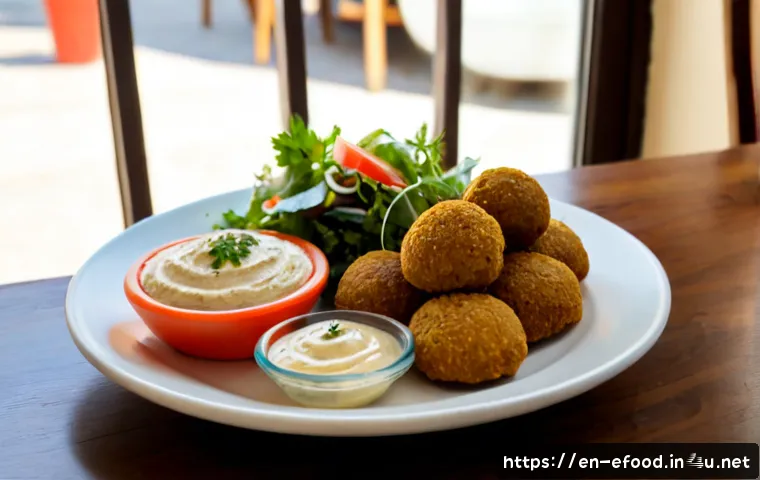
| Middle Eastern (e.g., Lebanese, Syrian) | Shawarma, Falafel, Hummus, Kebabs | Cumin, Sumac, Mint, Garlic, Lemon | Always fresh, vibrant, and perfect for sharing. The grilled meats are unbeatable! |
| South Asian (e.g., Indian, Pakistani) | Biryani, Curries (Chicken Korma, Lamb Rogan Josh), Samosas | Cumin, Coriander, Turmeric, Garam Masala, Chili | Rich, aromatic, and incredibly diverse. Every bite is an explosion of complex flavors. |
| Mediterranean (e.g., Turkish, Greek) | Doner Kebab, Gyros, Lamb Chops, Mezze Platters | Oregano, Thyme, Garlic, Olive Oil, Paprika | Simple ingredients, profound flavors. Love the fresh salads and perfectly grilled meats. |
| Southeast Asian (e.g., Malaysian, Indonesian) | Rendang, Nasi Goreng, Laksa | Coconut Milk, Lemongrass, Galangal, Chili, Tamarind | Bold, spicy, and often creamy. A wonderful balance of sweet, sour, and savory. |
The Community Table: Halal as a Bridge to Connection
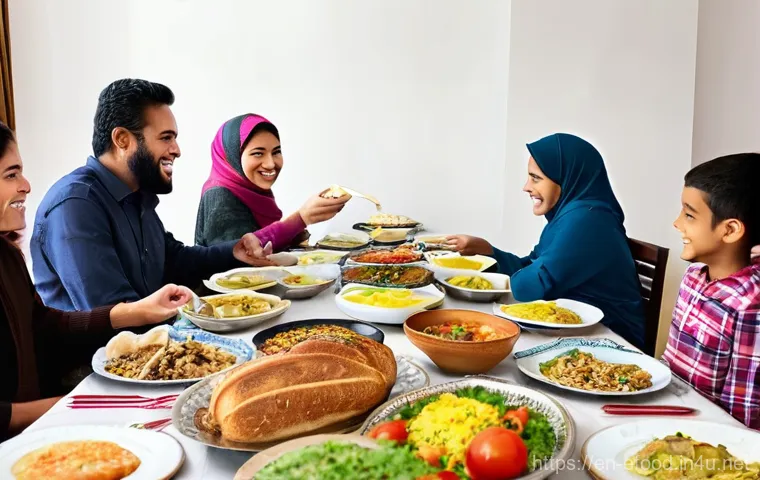
Beyond the delicious flavors and ethical considerations, what truly makes Halal food special for me is its incredible ability to foster community and connection. Sharing a Halal meal often feels like an invitation into a cultural conversation, a moment to break bread (or naan, or pita!) with people from diverse backgrounds. Whether it’s a bustling family dinner at a local Halal restaurant or a potluck with friends where everyone brings a Halal-friendly dish, these moments are steeped in warmth, hospitality, and a shared appreciation for good food. It’s a beautiful reminder that food is so much more than sustenance; it’s a universal language of love and togetherness.
Feasting with Friends: The Joy of Halal Gatherings
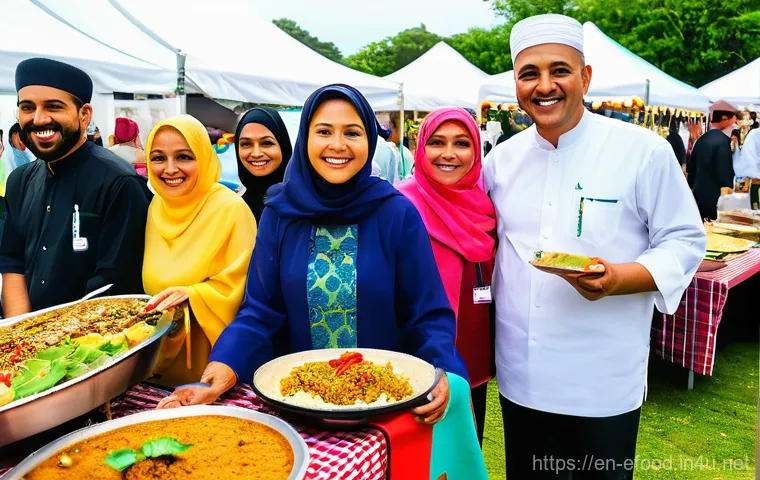
I absolutely adore hosting or attending gatherings where Halal food takes center stage. There’s a certain ease and inclusivity that comes with knowing everyone can enjoy the meal without any dietary concerns. I’ve been to countless Eid celebrations, wedding receptions, and even casual Sunday brunches where the Halal spread was simply magnificent, bringing people from all walks of life together. These events aren’t just about the food; they’re about the laughter, the stories, and the shared joy around a table laden with delicious, ethically prepared dishes. It truly strengthens bonds and creates lasting memories.
Supporting Local: How Your Choices Impact Halal Communities
Every time I choose to dine at a local Halal restaurant or purchase products from a Halal butcher, I feel like I’m doing more than just satisfying a craving. I’m actively supporting small businesses, often family-owned, that are integral to their communities. These establishments provide jobs, foster cultural exchange, and keep traditional culinary practices alive. It’s a wonderful cycle: they provide us with amazing food, and in return, our patronage helps them thrive. I’ve personally seen the positive impact these businesses have on their neighborhoods, and it makes every single meal feel that much more meaningful and impactful.
Wrapping Things Up: My Journey Through the Heart of Halal
As we wrap up this culinary adventure, I hope you’ve seen that Halal is truly a universe unto itself – rich, diverse, and deeply meaningful. My own journey from viewing it as mere rules to appreciating its profound ethical and community spirit has been incredibly rewarding. It’s a testament to the fact that food, at its best, isn’t just about sustenance; it’s about connection, respect, and a shared table that welcomes everyone. Each Halal meal, whether homemade or discovered in a bustling eatery, has offered a chance to learn, taste, and truly connect with a beautiful tradition that continues to inspire me daily.
Good to Know: Practical Tips for Your Halal Exploration
Embarking on your own Halal food journey can be incredibly exciting! Here are a few invaluable tips I’ve picked up along the way to make your experience as smooth and delicious as possible:
1. Always Look for Certification: When purchasing packaged foods or dining at a restaurant, keep an eye out for official Halal certification logos from recognized bodies. These certifications provide peace of mind, assuring you that the products or establishments adhere to strict Halal guidelines. Don’t be shy to ask restaurant staff about their sourcing if a certification isn’t immediately visible; most are happy to provide details and assure customers of their Halal practices. This small step can make a huge difference in your confidence and enjoyment of the food.
2. Explore Local Communities: The best Halal food often thrives within vibrant Muslim communities. Seek out neighborhoods with a strong presence of mosques, Islamic centers, or specialty Halal markets. These areas are typically brimming with authentic restaurants, bakeries, and butchers that offer truly exceptional quality and flavor. Engaging with locals in these areas can also lead you to hidden gems and family-run establishments that you might not find through mainstream searches, providing an even richer cultural and culinary experience.
3. Utilize Halal Food Apps: In this digital age, technology is your best friend for finding Halal options. Download apps like ZabihaFinder, HalalGuide, or even general review apps like Yelp or Google Maps with specific Halal filters. These platforms offer a wealth of information, including restaurant listings, user reviews, photos, and sometimes even menu details and certification status. I always cross-reference a few apps and reviews before heading out to ensure I’m getting the most up-to-date and reliable information for my next meal.
4. Embrace Global Flavors: Don’t limit your perception of Halal to just one or two cuisines. The beauty of Halal is its global reach! Venture beyond the familiar and explore Halal versions of dishes from Southeast Asia, East Africa, the Mediterranean, and even Western fusion cuisine. You’ll be amazed by the incredible diversity of spices, cooking methods, and ingredients. Expanding your palate this way is not just an an adventure for your taste buds, but also a wonderful way to learn about different cultures and their unique culinary interpretations of Halal principles.
5. Consider Cross-Contamination: When dining out, especially at establishments that serve both Halal and non-Halal items, it’s wise to be mindful of potential cross-contamination. While many restaurants take great care, if you have concerns, politely ask about separate cooking surfaces, utensils, or preparation areas. Some places are specifically “100% Halal,” which removes this concern entirely. Understanding this aspect ensures that your Halal dining experience remains pure and worry-free, allowing you to fully savor your meal with complete confidence.
Key Takeaways from Our Halal Journey
To sum it all up, my exploration of Halal food has been a profound lesson in culinary integrity and cultural richness. First and foremost, Halal is far more than a dietary restriction; it’s a comprehensive ethical framework emphasizing animal welfare, hygiene, and respect for our sustenance, making it appealing to conscious eaters worldwide. Secondly, the sheer global diversity of Halal cuisine is astounding, offering an endless array of flavors from every continent – truly a culinary passport to the world. Lastly, whether you’re dining out or cooking at home, the Halal community is thriving, embracing innovation and offering a powerful way to connect with others while supporting businesses committed to quality and ethical practices. It’s an inclusive and dynamic culinary world, always welcoming new explorers.
Frequently Asked Questions (FAQ) 📖
Q: So, what exactly is Halal food, and why should someone like me, who might not be Muslim, care about it?
A: That’s a fantastic question, and one I get all the time! From my own culinary explorations, I’ve learned that “Halal” basically means “permissible” or “lawful” in Arabic, according to Islamic dietary laws.
It’s so much more than just a label; it’s a whole philosophy about how food should be prepared and what it should contain. For meat to be Halal, for instance, the animal must be healthy, treated humanely, and slaughtered in a specific way (called “Dhabīḥah”) by a Muslim who invokes God’s name, ensuring a quick and clean process with proper blood drainage.
Beyond meat, Halal means absolutely no pork or its by-products, no alcohol, and no blood. It also extends to ensuring the food hasn’t been cross-contaminated with any non-Halal items during preparation or storage.
Now, why should you care? Well, even if you’re not Muslim, I’ve found that the rigorous standards behind Halal food often translate to a higher quality product.
Many non-Muslims, like myself, are drawn to Halal for its emphasis on cleanliness, ethical animal treatment, and meticulous preparation. It’s about more than just religious compliance; it’s about wholesome, good food – a concept often referred to as “Tayyib” in Islam.
Personally, knowing the care that goes into Halal preparation gives me incredible peace of mind and often a much more flavorful, pure dining experience.
Q: I’m often on the go, hitting up different cities. How can I really tell if a restaurant is genuinely Halal and not just making a claim? It feels like a minefield sometimes!
A: Oh, I totally feel you on this one! I’ve been in countless situations, from the bustling streets of London to a quiet corner in a new town, trying to sniff out those truly authentic Halal spots.
It can definitely be a challenge, but I’ve picked up some solid strategies over the years. First and foremost, look for clear Halal certification displayed prominently.
Reputable Halal certifying bodies rigorously audit restaurants, so that certification sticker or certificate is often your best friend. If you don’t see a certificate, don’t be shy – I always recommend chatting with the staff.
Ask them directly about their meat suppliers and their preparation methods. Are they using separate utensils or cooking areas for Halal items? Do they use alcohol in marinades or sauces?
Their transparency (or lack thereof) can tell you a lot. Beyond that, modern tech is a lifesaver! Apps like Zabihah or HalalTrip are incredible resources, with user reviews and certification info to guide you.
And honestly, sometimes the best tip comes from a local; if you’re comfortable, asking at a local mosque or a Muslim community center can lead you to some truly hidden gems that online searches might miss.
Trust your gut, but always back it up with a little investigation – it’s part of the adventure!
Q: Halal food seems to be everywhere now, even in places where you wouldn’t expect it. Why do you think it’s become such a global phenomenon, gaining fans beyond just Muslim communities?
A: It’s incredible, isn’t it? I’ve watched this trend unfold firsthand, and it’s genuinely exciting! What I’ve observed, from New York City’s famous Halal street carts to the growing number of upscale Halal restaurants across Europe, is a beautiful convergence of factors.
Of course, the expanding global Muslim population plays a huge role; there’s a natural increase in demand. But the real magic, for me, is how Halal food has captivated non-Muslim consumers.
Many people, regardless of their faith, are becoming much more health-conscious and ethically minded about what they eat. Halal certification often assures stringent quality control, hygiene, and humane animal treatment, which resonates deeply with those seeking cleaner, more responsibly sourced food options.
It aligns perfectly with the broader ethical and organic food movements we’re seeing today. Plus, with increasing globalization and the ease of information exchange, more people are discovering the rich, diverse, and utterly delicious culinary traditions that come with Halal cuisine.
It’s a testament to good food transcending cultural boundaries, and honestly, who doesn’t love a delicious meal that also feels good to eat?