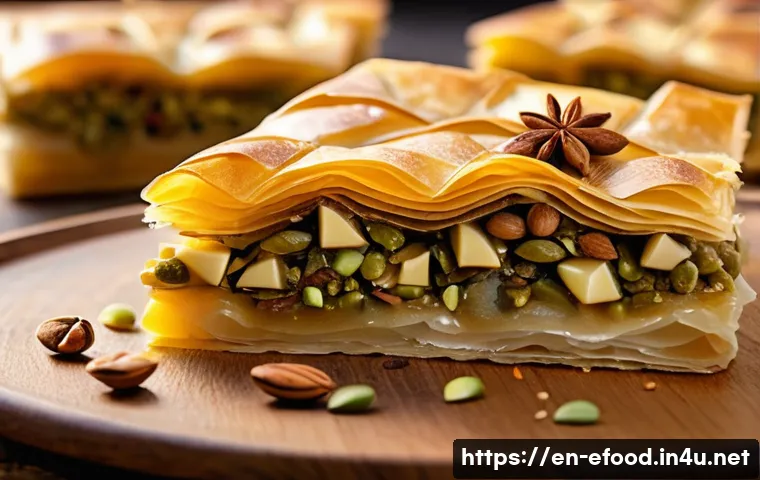
Baklava is a rich, sweet pastry that has captivated dessert lovers around the world, especially those who appreciate Mediterranean flavors. This layered treat combines flaky phyllo dough, crunchy nuts, and a luscious honey syrup, creating a perfect balance of textures and tastes.
Its origins trace back to ancient times, making it not just a dessert but a delicious piece of history. Whether enjoyed with a cup of strong coffee or as a festive indulgence, baklava never fails to impress.
Curious about what makes this dessert so special and how it’s traditionally prepared? Let’s dive deeper and uncover the sweet secrets behind baklava!
The Art of Layering and Texture in This Classic Pastry
Crafting the Flaky Phyllo Sheets
The foundation of this dessert lies in its ultra-thin phyllo dough layers, which are painstakingly stretched and brushed with butter. When baked, these layers crisp up into a delicate, flaky shell that practically melts in your mouth.
From my experience, achieving the perfect flakiness isn’t just about using the right dough; it’s about patience and careful layering. Each sheet needs to be handled gently to avoid tearing, and the liberal brushing of butter between layers is what gives it that irresistible golden crunch.
The contrast between the light, crispy phyllo and the rich fillings is what makes every bite a delightful experience.
Choosing and Preparing the Nut Filling
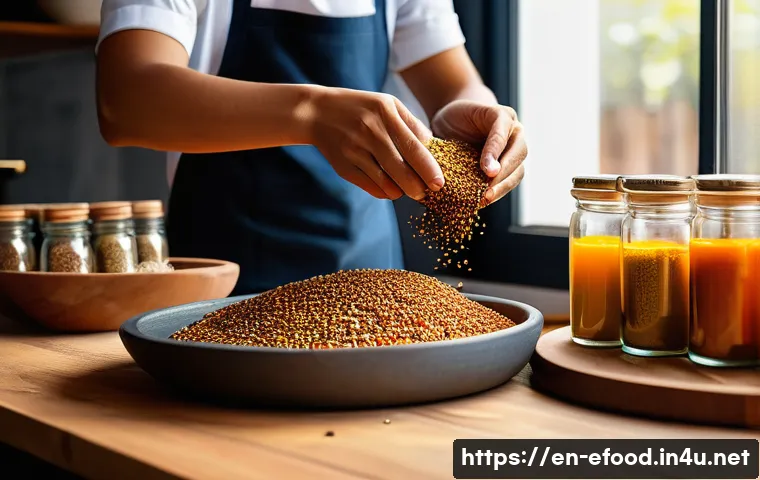
The nut mixture is another crucial element, typically featuring walnuts, pistachios, or almonds, finely chopped to maintain a pleasant crunch without overpowering the pastry’s texture.
What I found fascinating is how the nuts are often toasted beforehand to enhance their natural oils and flavors, adding a toasty depth to the final product.
The balance of the nut coarseness matters as well—too fine, and it becomes pasty; too chunky, and it disrupts the harmony of textures. Mixing in subtle spices like cinnamon or clove can elevate the flavor profile, but the key is to complement rather than dominate the nutty essence.
The Role of Butter in Texture and Flavor
Butter isn’t just a simple fat in this recipe; it’s the glue that holds everything together and the agent that creates the signature crispness. I’ve tried versions with margarine or oil substitutes, but nothing compares to the richness that butter imparts.
It seeps into the phyllo during baking, creating those irresistible layers of flake. The aroma that fills the kitchen as the butter browns slightly during baking is enough to get anyone’s mouth watering.
Remember, quality butter and even spreading are vital for consistency in texture across the entire pastry.
The Sweet Symphony of Honey Syrup and Spice
Making the Perfect Honey Syrup
The syrup is where sweetness meets complexity. Traditionally, a blend of honey, sugar, water, and lemon juice is simmered until slightly thickened, creating a sticky glaze that soaks into the baked layers.
I’ve noticed that the timing of syrup application is key—pouring it while the pastry is still hot ensures maximum absorption, resulting in that luscious, moist texture without sogginess.
The syrup’s balance between sweetness and acidity keeps the dessert from being cloying, making it endlessly enjoyable even for those who don’t usually have a sweet tooth.
Incorporating Aromatic Spices
Often, the syrup is infused with fragrant spices such as cinnamon sticks, cloves, or even a hint of orange blossom water. These subtle additions elevate the dessert from a simple honey-soaked pastry to a complex flavor experience.
I remember trying a batch where a touch of rose water was added to the syrup—it added a floral note that was unexpectedly delightful and gave the dessert a sophisticated twist.
The key is moderation; these spices should whisper their presence, not shout.
Timing and Temperature: The Final Touch
Applying the syrup right after baking is a delicate dance. If the syrup is too hot or the pastry too cool, the layers won’t absorb it properly, leaving a sticky mess rather than a cohesive dessert.
From my kitchen trials, pouring the syrup over warm pastry right out of the oven, then letting it rest at room temperature for several hours or overnight, yields the best texture.
This resting period allows the flavors to meld and the syrup to fully penetrate every nook and cranny.
The Cultural Tapestry and Historical Journey
Tracing the Roots Through Ancient Civilizations
This sweet treat’s story stretches back centuries, with origins debated among various cultures around the Mediterranean and Middle East. Ancient Assyrians are believed to have created early versions, layering nuts and honey between thin sheets of dough.
Over time, the recipe evolved, absorbing influences from Ottoman kitchens and Greek households. This lineage gives the dessert a rich cultural significance, making each bite a taste of history.
Personally, I find it incredible how a single dish can serve as a culinary bridge across time and geography.
Regional Variations and Their Unique Twists
Though the core ingredients remain consistent, regional adaptations introduce different nuts, spices, and even preparation techniques. For example, in Turkey, pistachios dominate, while Greek versions often favor walnuts.
Some Middle Eastern recipes add orange zest or cardamom to the syrup. In my travels, I noticed how local ingredients and traditions shape the final product, giving each region’s version its own personality while preserving the essence of this beloved dessert.
The Role of Tradition in Modern Celebrations
Today, this pastry is more than just a sweet treat—it’s a symbol of hospitality and celebration. It’s commonly served during holidays, weddings, and family gatherings, embodying warmth and shared joy.
From personal experience, making this dessert with family members is as much about the ritual and storytelling as it is about the final taste. The act of layering, pouring syrup, and slicing becomes a communal event, a reminder of cultural heritage and togetherness.
Mastering Preparation: Tips and Tricks for Home Bakers
Essential Tools and Ingredients to Gather
Before diving into the process, having the right tools can make all the difference. A large baking dish, a sharp knife for precise cuts, and a pastry brush for spreading butter are must-haves.
From my kitchen trials, investing in quality phyllo dough from a trusted source saves a lot of frustration. Fresh nuts and pure honey also contribute significantly to flavor.
It’s tempting to cut corners, but these details truly elevate the outcome.
Step-by-Step Process Breakdown
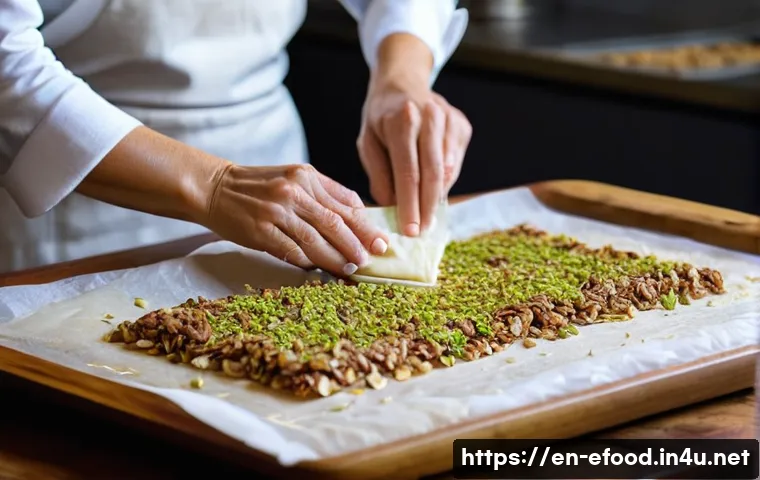
The layering sequence can seem intimidating at first, but breaking it down into manageable steps helps. First, lay down a buttered phyllo sheet, repeat several times, then add a generous layer of nut mixture.
Repeat this layering until all ingredients are used, finishing with multiple phyllo sheets on top. Precise cutting before baking ensures clean, even portions.
In my kitchen, following a methodical approach reduced errors and made the process surprisingly enjoyable.
Common Pitfalls and How to Avoid Them
One frequent mistake is using phyllo dough that’s too dry or brittle, leading to tears and uneven baking. Keeping the dough covered with a damp towel during preparation prevents this.
Over-soaking with syrup can cause sogginess, while under-soaking results in dryness. I learned the hard way that patience in pouring syrup gradually and allowing resting time is crucial.
Also, cutting the pastry while hot can cause crumbling, so waiting until it cools slightly yields neater slices.
Pairing and Serving Suggestions for Maximum Enjoyment
Complementary Beverages to Enhance Flavors
Serving this dessert alongside strong coffee or spiced tea perfectly balances its sweetness. Personally, I love pairing it with a robust espresso; the bitterness cuts through the richness, making each bite feel lighter.
For a more festive option, a glass of sweet dessert wine or even a floral herbal tea adds complexity. These pairings transform the eating experience into a full sensory indulgence.
Creative Presentation Ideas
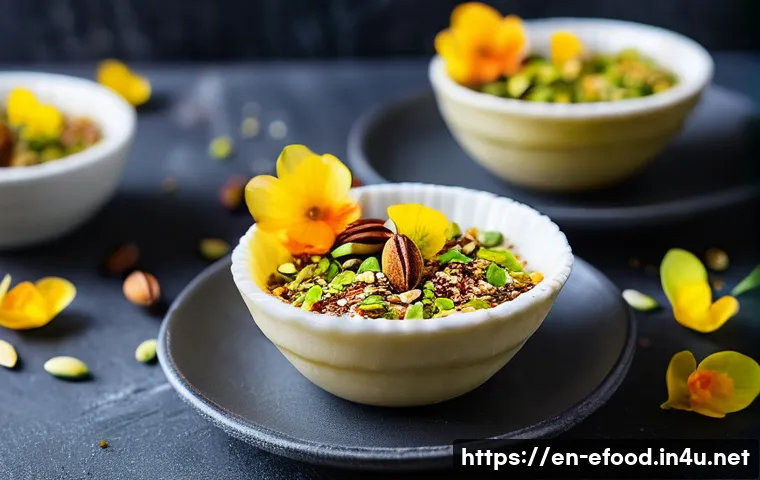
While traditionally cut into diamond or square shapes, playing with presentation can impress guests. I’ve tried layering small individual portions in mini ramekins topped with crushed pistachios and edible flowers, turning a humble dessert into a refined treat.
Garnishing with a light dusting of cinnamon or a drizzle of extra honey adds visual appeal and flavor depth. Presentation is an easy way to elevate the experience without altering the recipe.
Storing and Reheating Without Losing Quality
Leftovers can be tricky since the phyllo tends to soften over time. Storing in an airtight container at room temperature for a day or two preserves freshness.
When reheating, a brief stint in a low-temperature oven revives crispiness without drying it out. I avoid microwaving, as it makes the pastry soggy. Proper storage and reheating techniques extend the enjoyment beyond the first serving.
Ingredient Spotlight: Nuts and Their Nutritional Benefits
Health Aspects of Commonly Used Nuts
Walnuts, pistachios, and almonds not only bring flavor and texture but also pack a nutritional punch. Rich in healthy fats, protein, and antioxidants, these nuts contribute to heart health and brain function.
I’ve found that including such nutrient-dense ingredients makes this indulgent dessert feel a bit more justifiable as a treat. Moderation is still key, but knowing there’s some goodness inside helps balance indulgence with wellness.
Flavor Profiles and How They Impact the Pastry
Each nut variety offers a distinct taste—walnuts bring earthiness, pistachios add sweetness and a slight creaminess, while almonds contribute a mild, buttery note.
Mixing nuts can create layers of flavor complexity, much like a well-orchestrated symphony. When I experimented with different combinations, I noticed how these subtle differences influence the overall mouthfeel and aroma, making every batch unique.
Allergen Considerations and Substitutions
Given that nuts are common allergens, finding alternatives is sometimes necessary. Seeds such as sunflower or pumpkin can mimic the crunch and add interesting flavors.
In my experience, substituting with toasted seeds works well but slightly alters the traditional taste. Clearly labeling the dessert and informing guests is essential when serving in social settings.
Awareness and creativity allow this classic treat to be enjoyed by a broader audience.
Understanding the Science Behind Perfect Baking
How Heat Transforms Phyllo and Filling
The magic of this dessert happens in the oven, where heat causes the butter to melt and steam to puff the phyllo layers apart. This results in the signature crispness and delicate texture.
Meanwhile, the nuts toast gently, intensifying their flavor. I’ve noticed that oven temperature and baking time require fine-tuning—too hot, and the pastry burns; too cool, and it becomes soggy.
Finding that sweet spot is a rewarding challenge.
The Chemistry of Syrup Absorption
The syrup’s sugar concentration and temperature influence how well it penetrates the baked layers. A thicker syrup tends to sit on top, while a thinner one soaks through too quickly, risking sogginess.
From trial and error, achieving the right syrup consistency—viscous but pourable—is essential. Pouring the syrup at the right moment after baking allows the pastry to absorb just enough, creating that signature moist yet crispy bite.
Tips for Consistent Results Every Time
Consistency comes from attention to detail and understanding ingredient behavior. Using fresh, high-quality ingredients, measuring precisely, and monitoring baking closely are non-negotiable.
I keep notes of each batch’s oven settings and syrup ratios, tweaking slightly based on results. This practice has helped me replicate success and avoid common pitfalls, making the baking process less daunting and more enjoyable.
| Ingredient | Role | Typical Quantity | Tips |
|---|---|---|---|
| Phyllo Dough | Creates flaky layers | 20-30 sheets | Keep covered with damp towel to prevent drying |
| Butter | Separates layers, adds flavor | 1-1.5 cups | Use unsalted, brush generously between sheets |
| Nuts (Walnuts, Pistachios, Almonds) | Crunch and flavor | 2-3 cups chopped | Toast lightly before use for enhanced flavor |
| Honey Syrup | Sweetens and moistens | 2 cups honey, sugar, water mixture | Pour warm syrup over hot pastry for absorption |
| Spices (Cinnamon, Clove, Orange Blossom) | Adds aroma and complexity | Small amounts to taste | Infuse syrup gently; avoid overpowering |
Conclusion
Mastering the art of this classic pastry is a rewarding journey that combines patience, technique, and quality ingredients. Each step—from layering delicate phyllo sheets to perfectly balancing the honey syrup—brings its own unique challenge and satisfaction. Whether enjoyed as a cultural treat or a homemade delight, the harmony of textures and flavors makes this dessert truly unforgettable. With practice and attention to detail, anyone can recreate this timeless favorite in their own kitchen.
Useful Tips to Remember
1. Always keep phyllo dough covered with a damp cloth to prevent drying and tearing during preparation.
2. Toast nuts lightly before mixing to enhance their flavor and crunch.
3. Pour warm honey syrup over the hot pastry to ensure proper absorption and maintain crispiness.
4. Allow the dessert to rest after syrup application for several hours to let the flavors meld beautifully.
5. Store leftovers in an airtight container and reheat gently in a low-temperature oven to preserve texture.
Key Takeaways
Achieving the perfect flaky texture relies heavily on gentle handling and generous butter application between phyllo layers. The nut filling should be toasted and chopped just right to complement the pastry without overpowering it. Timing the syrup pour while the pastry is hot is essential for ideal moisture and flavor balance. Lastly, respecting traditional preparation methods while adapting to your kitchen environment guarantees consistent and delicious results every time.
Frequently Asked Questions (FAQ) 📖
Q: What are the key ingredients that make baklava so unique?
A: Baklava’s uniqueness comes from its combination of ultra-thin, crispy phyllo dough layers, a generous filling of chopped nuts—usually walnuts, pistachios, or almonds—and a sweet syrup made from honey, sugar, and sometimes a hint of lemon or cinnamon.
This blend creates a delightful contrast between crunchy, flaky textures and sticky, sweet syrup that melts in your mouth. Having tried various versions myself, the balance between the nutty richness and the syrup’s sweetness is what truly sets baklava apart from other desserts.
Q: How is baklava traditionally prepared?
A: Traditionally, baklava is made by layering dozens of sheets of phyllo dough brushed with melted butter, then spreading a mixture of finely chopped nuts between every few layers.
Once assembled in a baking tray, it’s cut into diamond or square shapes before baking until golden and crisp. After baking, a warm honey-based syrup is poured over the hot pastry, allowing it to soak in and create that signature sticky sweetness.
From my experience, patience is key—the more layers and the longer it soaks in syrup, the richer and more satisfying the flavor becomes.
Q: Can baklava be stored and enjoyed later, or is it best eaten fresh?
A: Baklava actually stores quite well and often tastes even better the next day because the syrup has more time to fully infuse the layers, making it more moist and flavorful.
I usually keep it in an airtight container at room temperature for up to 3-4 days. Refrigeration can sometimes cause the phyllo to lose its crispness, so it’s best avoided unless you live in a very warm climate.
When ready to serve, a quick warm-up in the oven can revive that fresh-baked crispiness, making it feel like it’s just been made.