If there’s one thing I’ve learned from years of exploring the world, it’s that food isn’t just sustenance; it’s a direct portal into a culture’s very soul.
And let me tell you, when you step into a cozy pub in Prague and order a steaming bowl of Czech Goulash, you’re not just getting a meal – you’re getting a warm, comforting hug that transcends language barriers.
Forget about those quick, superficial tourist traps; today’s savvy travelers are craving truly authentic experiences, diving deep into local traditions, and that’s precisely where this iconic dish shines.
It’s no wonder culinary tourism is absolutely booming right now, with everyone eager to swap generic menus for genuine, hyper-local flavors. I still vividly remember my first spoonful of *guláš* served with those perfectly fluffy *knedlíky* (bread dumplings), the rich, deeply savory stew, often infused with local dark beer, just melting in my mouth.
It was a revelation, a taste of history and hearty Czech hospitality all in one. This isn’t just some passing trend; it’s a timeless comfort food that many Czechs swear tastes even better the next day, a testament to its enduring appeal and its ability to soothe the soul after a long day of sightseeing.
It’s dishes like this that make you feel truly connected to a place, allowing you to experience it through its most delicious heritage. Ready to discover why this humble stew is capturing hearts (and stomachs) around the globe?
Let’s uncover all its secrets together.
The Heart of Czech Cuisine: More Than Just a Stew
Honestly, when I first heard “goulash,” I pictured something vaguely Hungarian, maybe a little spicy, and probably just a bowl of meat. Oh, how delightfully wrong I was!
Czech guláš, as I quickly discovered, is its own magnificent beast, deeply ingrained in the very fabric of Czech life and far removed from some of the spicier, soupier versions you might find elsewhere.
It’s more than just a meal; it’s a warm embrace on a chilly Prague evening, a staple at family gatherings, and the kind of dish that makes you feel instantly at home, even if you’re thousands of miles away.
Every time I visit, I make a point of seeking out a new spot to try their guláš, and each time, it tells a slightly different story, a testament to the local chef’s touch and regional nuances.
There’s a certain weightiness to it, both literally and figuratively, that resonates with the hearty, resilient spirit of the Czech people. It’s not about quick gratification; it’s about slow-cooked perfection, a dish that rewards patience and promises genuine comfort with every spoonful.
My enduring love affair with this dish has taught me that true culinary exploration isn’t just about what you eat, but the history and heart that goes into it.
A Culinary Time Capsule
Delving into the history of Czech guláš is like taking a delicious trip back in time. While its origins might be tied to Hungarian influences, the Czechs have absolutely made it their own, evolving it into something uniquely theirs over centuries.
The version we enjoy today, often thicker, richer, and less reliant on a fiery paprika punch, tells a story of adapting foreign ideas and perfecting them to suit local tastes and available ingredients.
I remember chatting with an elderly pub owner in Malá Strana, and she told me stories of her grandmother making guláš during leaner times, stretching ingredients to feed a large family.
It was clear then that this dish isn’t just a recipe; it’s a living piece of heritage, passed down through generations, each adding their own subtle touch.
The use of caraway seeds, often a hallmark of Czech cooking, and the absence of a strong tomato base that you might find in other European stews, really set it apart.
It’s a testament to how local traditions can take a concept and transform it into an icon, cementing its place in the national culinary identity.
The Soul of Czech Hospitality
For me, guláš embodies the very essence of Czech hospitality. It’s not flashy or overly complicated, but it’s undeniably soulful and deeply satisfying.
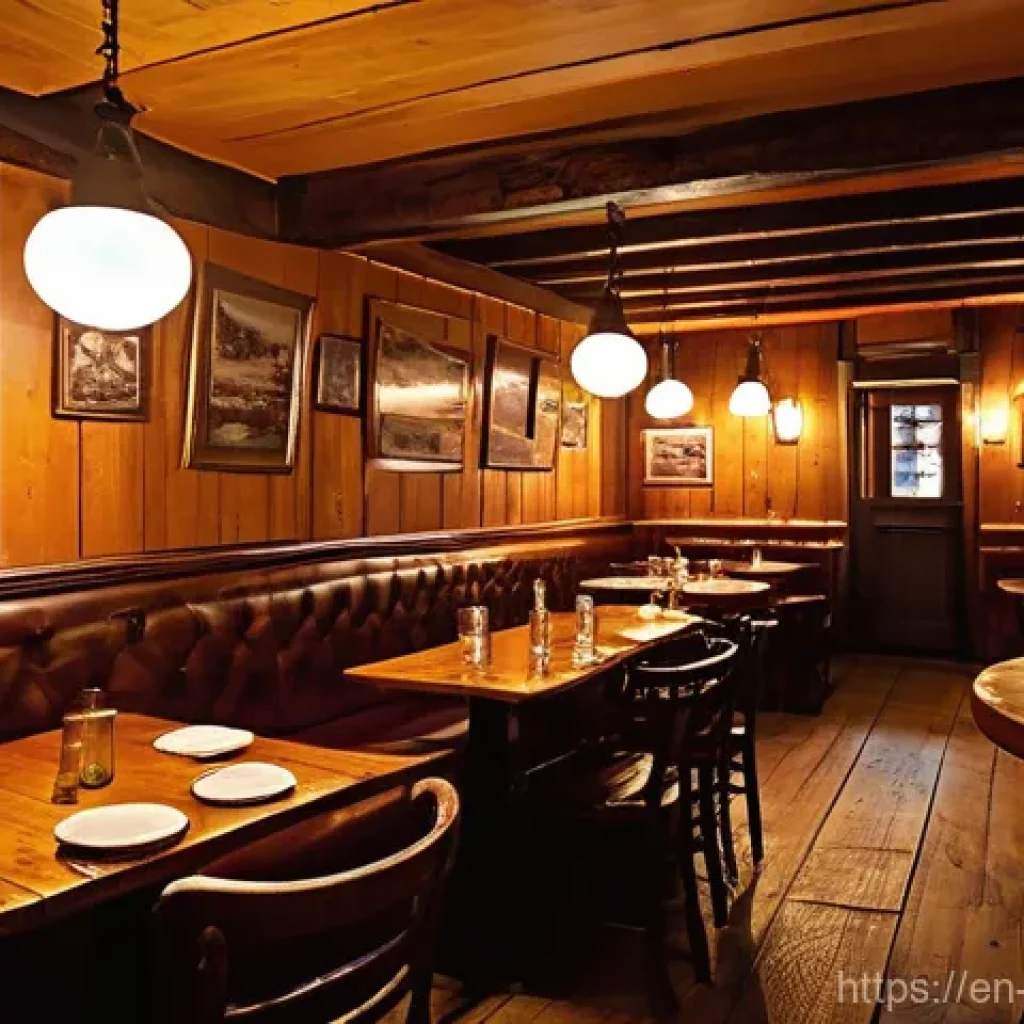
Imagine stepping into a bustling, dimly lit pub after a day of exploring cobbled streets, the aroma of slow-cooked meat and spices filling the air. That’s where you truly experience guláš.
It’s the kind of meal that encourages lingering, perhaps over a pilsner or two, sharing stories with friends, or simply soaking in the atmosphere. I’ve found that it’s often served with a genuine smile, a sense of pride in offering something truly comforting and authentically Czech.
It feels less like a transaction and more like an invitation to partake in a tradition. The portions are typically generous, designed to warm you from the inside out and keep you going, much like the enduring warmth of the Czech people themselves.
It’s a dish that says, “Welcome, sit down, and let us feed your soul.”
Unpacking the Flavor Profile: What Makes It So Irresistible?
So, what is it about Czech guláš that makes it so utterly captivating? It’s a question I’ve pondered after countless bowls, and I’ve come to realize it’s a masterful balance of humble ingredients transformed into something extraordinary.
Forget overpowering spices or intricate garnishes; the magic lies in its profound depth of flavor, achieved through slow cooking and careful layering.
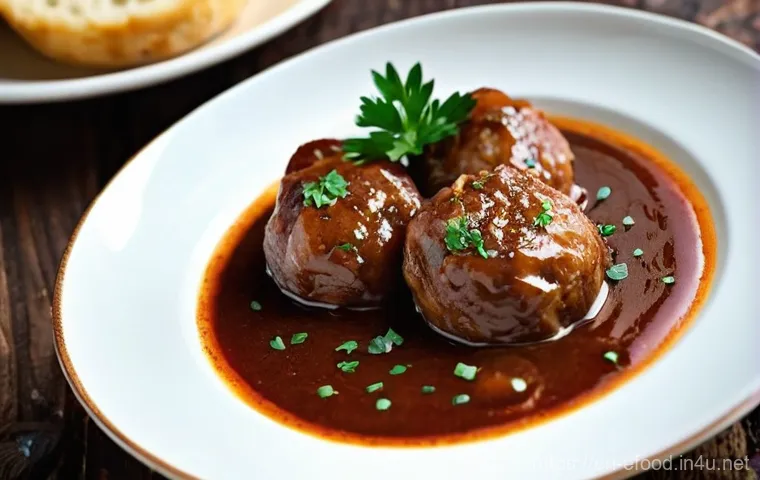
The rich, velvety sauce, often a beautiful reddish-brown hue, coats every piece of tender meat, delivering a complex taste that’s savory, slightly sweet from caramelized onions, and subtly aromatic from spices.
It’s a truly harmonious blend where no single ingredient shouts louder than the others, but together, they create a symphony for your taste buds. My theory is that the secret isn’t just in the ingredients themselves, but in the time and love that goes into its preparation, allowing all those flavors to meld and deepen into something truly special.
The Spice Symphony: Paprika and Beyond
While paprika is definitely present, it’s not the star as it might be in Hungarian versions. In Czech guláš, paprika plays a supporting, yet crucial, role, lending color and a gentle warmth rather than a fiery kick.
The real magic often comes from a blend of other spices: sweet paprika, a touch of marjoram, a hint of caraway seeds (a quintessential Czech flavor!), and sometimes even a bay leaf or two.
But the unsung hero, in my opinion, is the copious amount of slowly caramelized onions. They form the base of the sauce, melting down to provide a natural sweetness and thickening agent that gives the guláš its signature rich body.
And let’s not forget the occasional splash of local dark beer, which adds an incredible depth and a subtle malty note that elevates the entire dish. It’s a testament to the skill of Czech cooks, knowing exactly how to coax maximum flavor from simple, wholesome ingredients without overwhelming the palate.
The Magic of *Knedlíky*: Perfect Companions
You simply cannot talk about Czech guláš without reverently mentioning *knedlíky*, the beloved bread dumplings that are its inseparable companion. These aren’t your typical fluffy, light dumplings; Czech *knedlíky* are denser, almost like a cross between bread and a dumpling, designed to soak up every last drop of that glorious guláš sauce.
They come in various forms – often sliced, steamed bread dumplings (*houskové knedlíky*) or sometimes potato dumplings (*bramborové knedlíky*). I remember my first time, trying to eat the guláš without the dumplings, thinking I was being “healthy.” A local friend gently corrected me, explaining that the dumplings are half the experience!
And she was absolutely right. They act as the perfect vehicle, transforming each bite into a perfectly balanced mouthful of rich stew and absorbent, comforting bread.
It’s a brilliant culinary pairing that I’ve come to adore, truly making the meal complete.
Navigating the Goulash Landscape: Regional Delights and Variations
Just like any truly iconic dish, guláš isn’t a monolith. As I’ve journeyed across the Czech Republic, I’ve discovered a fascinating array of regional variations, each with its own subtle twists and local flair.
It’s like finding different dialects of the same beautiful language. While the core essence remains – tender meat in a rich sauce – the type of meat, the specific blend of spices, and even the accompanying side dishes can vary significantly from Prague to Brno, or from a mountain chalet to a rustic village pub.
This diversity is what keeps me coming back for more; there’s always a new nuance to explore, a different interpretation to savor. It reminds you that food is a living, evolving entity, shaped by local history, ingredients, and the individual touch of generations of cooks.
My advice? Don’t settle for just one type; embark on your own guláš exploration!
Beyond Beef: Unexpected Twists
While beef guláš is undoubtedly the most common and arguably the quintessential version, I’ve been pleasantly surprised by the delicious departures you can find.
I once had a fantastic venison guláš in a small tavern in South Bohemia, its gamey richness perfectly complemented by the savory sauce. Pork guláš is also quite popular, often featuring leaner cuts and a slightly different seasoning profile.
There’s even “Segedínský guláš,” a personal favorite of mine, which incorporates sauerkraut and often sour cream, creating a wonderfully tangy and hearty experience that’s particularly comforting during colder months.
Each variation offers a fresh perspective on the same comforting theme, proving that versatility is one of guláš’s greatest strengths. It’s a testament to how adaptable and cherished this dish is throughout the country, allowing cooks to experiment while staying true to its soul.
My Quest for the Ultimate *Guláš*
My culinary adventures have led me on a personal quest to find “the best” guláš, a journey that I’ve learned is less about a single definitive answer and more about the delightful exploration itself.
I’ve found that the best bowls often come from unassuming, family-run pubs, where the recipe has been perfected over decades. Sometimes, the most memorable guláš wasn’t in a fancy restaurant but in a bustling *hospoda* (pub) packed with locals, its rich aroma clinging to the air.
I’ve learned to look for signs of authenticity: the deep, natural color of the sauce, the fork-tender meat that practically melts in your mouth, and the perfect accompanying *knedlíky*.
It’s a never-ending pursuit, and that’s precisely why I love it. Every new bowl is an opportunity to connect with local culture and perhaps even stumble upon a new favorite.
| Guláš Type | Key Meat | Notable Characteristics | Recommended Pairing |
|---|---|---|---|
| Hovězí Guláš (Beef Goulash) | Beef | Classic, rich, deep savory flavor, usually thickened with caramelized onions. | Pilsner Urquell or other Czech Lager |
| Vepřový Guláš (Pork Goulash) | Pork | Lighter, often with subtle caraway notes, still hearty and comforting. | Light Czech Lager or dark beer |
| Segedínský Guláš (Szeged Goulash) | Pork, sometimes Beef | Includes sauerkraut and often a dollop of sour cream, tangy and very filling. | Dark Lager or traditional Czech bread |
| Zvěřinový Guláš (Game Goulash) | Venison, Wild Boar | Rich, gamey flavor, often prepared during hunting season, a true delicacy. | Red Wine or a rich Dark Lager |
Finding Your Perfect Bowl: Tips for the Savvy Foodie
Let’s be honest, when you’re traveling, finding truly authentic local food can sometimes feel like a treasure hunt. But fear not, my fellow food explorers, because I’ve got some tried-and-true tips for sniffing out the best guláš in Prague and beyond.
It’s all about looking past the tourist menus and diving into where the locals truly eat. Trust me, I’ve had my share of mediocre guláš at places clearly catering to tour groups, and it just doesn’t hit the same.
The magic of this dish is in its unpretentious authenticity, and once you know what to look for, you’ll be enjoying bowls that sing with flavor and tradition.
It’s a small effort that pays huge dividends in culinary satisfaction and genuinely immersive experiences.
Pubs vs. Restaurants: The Authenticity Debate
This is where the real debate often begins for me! While some higher-end restaurants might offer a refined version of guláš, my heart, and my stomach, always lead me back to the traditional Czech pubs, or *hospody*.
This is where guláš truly shines. The atmosphere is usually lively, often smoky (though less so now with smoking bans), and absolutely buzzing with local chatter.
The guláš here is typically prepared using time-honored recipes, often passed down through generations of pub cooks, and served without fuss. Restaurants can be good, sure, but there’s a certain soulful connection you make with the dish in a pub setting that’s harder to replicate elsewhere.
The prices are usually more wallet-friendly too, which is always a bonus when you’re trying to stretch your travel budget. My advice? Go for the pub experience first, and then explore a restaurant version if you’re curious about a more upscale take.
Spotting the Genuine Article
So, how do you know if you’re about to enjoy a truly great bowl of guláš? Look for a few key indicators. First, observe the locals.
If a place is packed with Czechs, it’s usually a good sign. Second, check the menu for a simple description; overly fancy descriptions can sometimes be a red flag.
Third, when it arrives, notice the appearance: the sauce should be a deep, rich color, not too thin or watery. The meat should be fork-tender, not tough or chewy.
And, of course, the *knedlíky* should be fresh and absorbent, ready to soak up all that delicious gravy. A tell-tale sign of a truly great guláš is often how it tastes even better halfway through, as the flavors continue to meld.
Don’t be afraid to ask for recommendations from your hotel staff or even friendly locals; they often know the hidden gems.
Bringing Prague Home: Recreating the Magic in Your Kitchen
After countless trips and bowls of guláš, I always find myself craving that deep, comforting flavor once I’m back home. And let me tell you, recreating it in your own kitchen is not only possible but incredibly rewarding.
It’s a wonderful way to extend your travel memories and share a piece of Czech culture with friends and family. While it might seem intimidating to tackle a dish with such a rich heritage, I’ve found that the beauty of guláš lies in its simplicity.
It’s not about complex techniques; it’s about patience, good quality ingredients, and letting those flavors develop slowly over time. There’s a real sense of accomplishment when you serve up a steaming bowl, and the aroma fills your home, instantly transporting you back to those cozy Prague pubs.
Essential Ingredients for the Home Cook
To truly capture that authentic Czech guláš flavor, you’ll need a few key ingredients. Of course, a good cut of beef (like chuck or shin) is paramount – something that benefits from slow braising.
Then, you’ll need plenty of onions, as they form the base of the sauce, slowly caramelizing to sweet perfection. Paprika (preferably good quality sweet paprika), marjoram, and those distinctive caraway seeds are essential for the spice profile.
A good quality dark beer or beef broth will be the liquid base, adding depth and richness. Don’t skimp on the *knedlíky* either; you can often find ready-made ones in European specialty stores, or try your hand at making them from scratch for an extra layer of authenticity.
Trust me, sourcing these specific ingredients makes all the difference in achieving that unmistakable Czech taste.
My Go-To Recipe Secrets
Over the years, I’ve refined my own approach to making guláš at home, picking up little tips and tricks that really elevate the dish. My number one secret?
Don’t rush the onions! Seriously, caramelizing them slowly until they’re a deep golden brown is the foundation of the best guláš. It takes time, but it’s absolutely worth it for the depth of flavor it brings.
Another tip is to brown the meat really well before adding the liquids; this creates a beautiful crust and locks in moisture. I also find that adding a little grated carrot during the onion phase can add a subtle sweetness and body without overpowering the dish.
And most importantly, let it simmer, simmer, simmer! The longer you allow those flavors to meld and the meat to tenderize, the more delicious and comforting your guláš will be.
It’s truly a labor of love, but one that pays off with every single spoonful.
Beyond the Plate: The Cultural Experience of Sharing *Guláš*
Eating guláš is rarely just about the food itself; it’s an experience, a moment of cultural immersion that extends far beyond the plate. It’s about the clinking of beer glasses, the murmurs of conversation, and the shared warmth of a meal that has nourished generations.
I’ve found that some of my most cherished memories from my travels involve these simple, hearty meals, surrounded by the sights and sounds of local life.
It’s in these moments that you truly feel connected to a place, understanding its rhythm and its soul. This isn’t a dish meant for quick consumption; it’s designed to be savored, discussed, and enjoyed as part of a larger social tapestry.
The Art of the Czech Beer Pairing
You simply cannot enjoy guláš without a proper Czech beer by its side. It’s like having a peanut butter sandwich without jelly – it just feels incomplete!
The rich, savory flavors of the guláš are perfectly cut and complemented by the crisp, often slightly bitter notes of a traditional Czech pilsner. I always go for a local brew, whether it’s a classic Pilsner Urquell or a regional microbrew.
The carbonation helps cleanse the palate, preparing you for the next delicious mouthful, while the beer’s own flavors add another layer to the dining experience.
For a richer guláš, especially one with darker meat or stronger spices, a robust dark lager can also be an excellent choice, adding a complementary malty depth.
It’s a culinary symbiosis that is absolutely essential for the full, authentic Czech experience.
Connecting Over Comfort Food
There’s something uniquely bonding about sharing a comforting meal, and guláš does this beautifully. Whether you’re dining with friends, family, or even striking up a conversation with a stranger at a communal table in a pub, guláš fosters connection.
It’s a dish that evokes feelings of home, tradition, and shared heritage. I’ve had some of my most engaging conversations over a steaming bowl, learning about local customs, recommendations, and even personal stories.
It’s a reminder that food is a universal language, a bridge between cultures. So, the next time you find yourself with a bowl of Czech guláš in front of you, take a moment to appreciate not just the delicious flavors, but the rich cultural tapestry it represents, and the connections it helps forge.
글을마치며
As our delicious journey through the world of Czech guláš comes to a close, I hope you’ve felt the warmth and heart that this incredible dish embodies. It’s more than just a meal; it’s a profound cultural touchstone, a comforting embrace, and a testament to the rich culinary heritage of the Czech Republic. From the bustling pubs of Prague to the quiet corners of local eateries, every bowl tells a story, a symphony of flavors perfected over generations. My own adventures have deeply cemented my love for this hearty stew, and I truly believe it’s an essential experience for any food lover. So, next time you’re dreaming of travel, let your taste buds guide you to this wonderful, soulful dish.
알아두면 쓸모 있는 정보
Here are some invaluable tidbits I’ve picked up along my culinary explorations, which I truly believe will enhance your guláš experience:
1. Always seek out traditional *hospody* (pubs) for the most authentic experience. They often serve generational recipes, and the lively atmosphere is half the charm. Avoid overtly touristy spots where the quality can sometimes be diluted for mass appeal.
2. Don’t forget the *knedlíky*! These bread dumplings are not just a side; they are an integral part of the meal, perfectly designed to soak up every last drop of that rich, flavorful sauce. Skipping them is like missing a crucial piece of the puzzle.
3. Embrace the regional variations. While beef guláš is classic, venture out to try pork, venison, or even the tangy Segedínský guláš with sauerkraut and sour cream. Each offers a unique perspective on this beloved dish, enriching your culinary adventure.
4. Pair your guláš with a proper Czech beer. A crisp Pilsner or a robust dark lager not only complements the savory richness of the stew but is also a fundamental part of the Czech dining ritual. It’s an inseparable duo!
5. Allow plenty of time to savor your meal. Guláš is slow food, meant to be enjoyed without rush. It’s an opportunity to connect with your travel companions, observe local life, and truly immerse yourself in the culture. The longer you linger, the more satisfying the experience.
중요 사항 정리
In essence, Czech guláš is far more than a simple stew; it’s a testament to the country’s rich culinary heritage, characterized by its deep, slow-cooked flavors and integral role in local culture. My journey has consistently shown that the best versions come from authentic pubs, where traditional methods and hearty portions reign supreme. Remember to pair it with traditional *knedlíky* and a local Czech beer for the full, immersive experience. It’s a dish that embodies comfort, tradition, and the warm spirit of Czech hospitality, proving that sometimes, the simplest foods offer the most profound and memorable experiences.
Frequently Asked Questions (FAQ) 📖
Q: So, what’s the real difference between Czech Goulash and its Hungarian cousin? I’ve heard they’re pretty similar, but is there a distinct Czech twist I should know about?
A: Ah, this is one of the most common questions I get, and for good reason! Many people assume goulash is goulash, but trust me, after trying countless bowls in both Hungary and the Czech Republic, I can tell you there are some delightful distinctions.
While Hungarian goulash is often more of a soupy stew, vibrant with plenty of paprika and usually served with noodles or small dumplings, Czech goulash, or guláš as they call it, has a wonderfully thicker, richer consistency.
It’s less about the spice kick and more about a deep, savory umami flavor, often achieved by slow-cooking with dark beer and a more restrained hand with the paprika.
The absolute game-changer, in my opinion, is how Czech goulash is served: almost always with those glorious, airy knedlíky (bread dumplings). They’re perfect for soaking up every last drop of that incredible sauce, making it a much heartier, comforting dish that truly sticks to your ribs.
It’s a meal in itself, not just a soup, and that’s a difference you’ll taste and feel!
Q: What are the absolute must-have ingredients for an authentic Czech Goulash, and how is it traditionally enjoyed in Prague?
A: From my many culinary adventures, the heart of an authentic Czech Goulash absolutely lies in a few key components. First, you need good quality beef, typically a cut like chuck or shoulder that can withstand long, slow simmering to become incredibly tender.
The onions are just as crucial; they’re cooked down until deeply caramelized, forming the foundational sweetness and body of the sauce. Unlike its Hungarian counterpart, Czech guláš uses paprika more for color and subtle warmth than for fiery spice.
A touch of caraway seeds is often added, lending that distinct, earthy aroma, and here’s where the magic truly happens: a good dark Czech beer is often incorporated into the braising liquid, adding an incredible depth of flavor that’s both slightly bitter and wonderfully rich.
As for how it’s traditionally enjoyed in Prague, you’ll almost always find it served piping hot in a cozy, often bustling pub, accompanied by several slices of those fluffy, steamed bread dumplings (houskové knedlíky).
Sometimes, you might even get a dollop of fresh horseradish or a sprinkle of chopped onion on top, adding a lovely fresh bite. It’s a meal meant to be savored slowly, perhaps with a pint of local Pilsner Urquell or Kozel, warming you from the inside out after a day exploring the city.
Q: For someone new to Czech cuisine, where’s the best place to try an unforgettable guláš in Prague, and is it something I could realistically attempt to make at home?
A: Oh, if you’re heading to Prague, you absolutely must experience guláš in its natural habitat – a traditional Czech pub, or hospoda. Forget the fancy tourist traps; the best spots are usually a bit off the main square, often down a side street, with a no-frills, authentic atmosphere.
Places that have been serving locals for decades are always a good bet, as they’ve perfected the recipe over generations. Look for establishments where you see more locals than tourists, and if the menu is handwritten or a bit worn, that’s usually a great sign!
They often serve generous portions at incredibly reasonable prices, too. As for making it at home, I say go for it! While it might seem daunting, it’s actually a fantastic slow-cooking project.
It requires patience for the simmering, but the steps themselves aren’t overly complicated. There are tons of great recipes online, and I’ve personally found that replicating that rich, deep flavor is incredibly rewarding.
The biggest “secret” to success is really just allowing it enough time to braise slowly, letting all those flavors meld together beautifully. Trust me, the aroma alone will make your kitchen feel like a little corner of Prague, and the taste will transport you right back to that cozy pub.