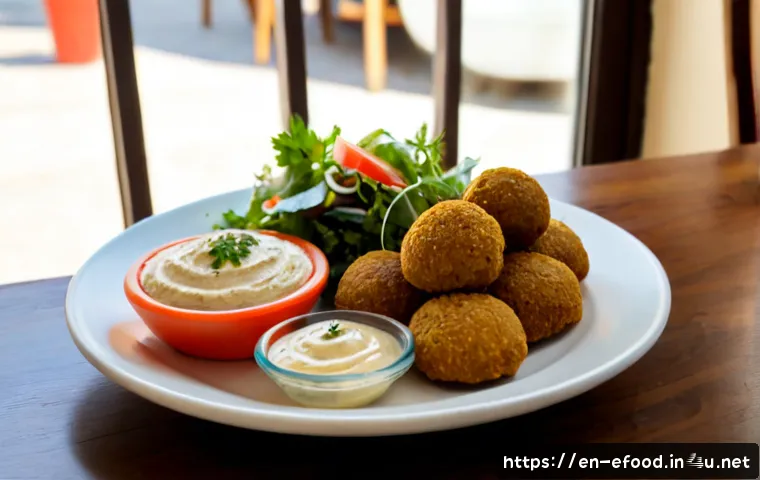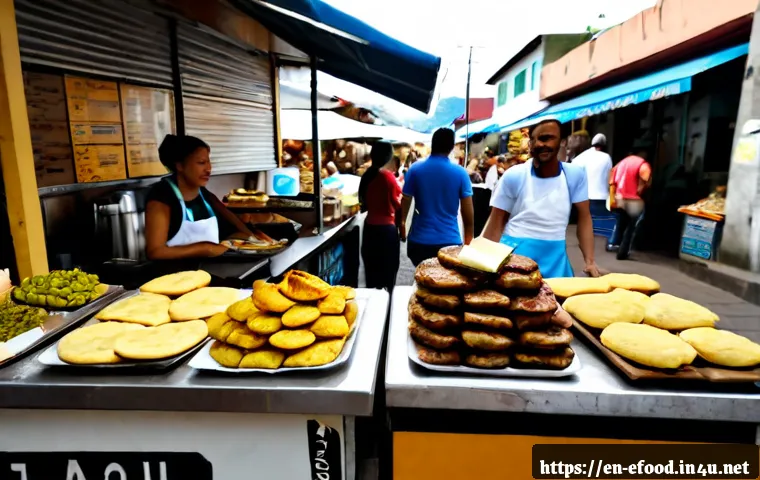
Choose South American street food by how filling it is, how freshly it is cooked, and whether its ingredients fit your needs . For a quick bite, look at breads and pastries; for lunch, compare stuffed arepas, choripán, empanadas, or grilled skewers.
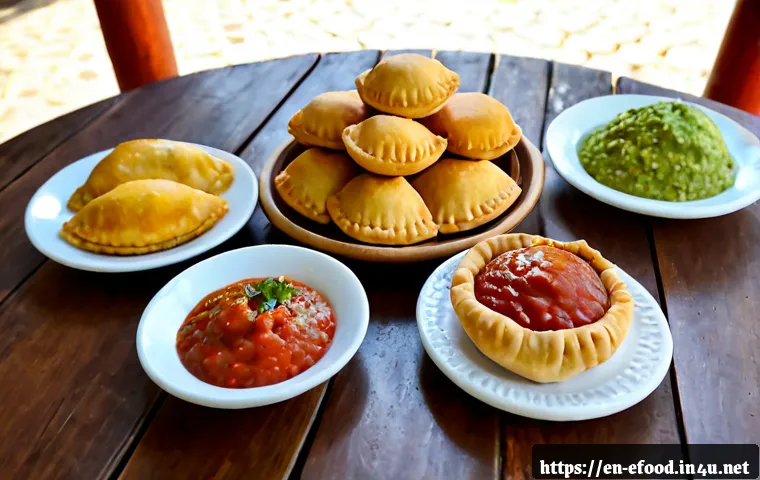
The same dish can change greatly between cities, so use local menus and visible preparation rather than relying on a fixed online price. A self-guided market visit works well when you are comfortable ordering and checking vendors.
A guided food tour can be useful when your time is short or you want local context across several dishes. For a more hands-on experience, compare cooking classes by the dishes covered, market component, group format, and stated dietary options.
At a Glance
- Quick snack: pão de queijo, pastel, or a small empanada can be easy to carry and share.
- More filling stop: stuffed arepas, choripán, and grilled anticuchos may suit a lunch-sized appetite.
- Best safety cue: choose food cooked hot in front of you and stalls with visible customer turnover.
| Food type | Typical ingredients | Meal value | Dietary cautions | Best buying setting |
|---|---|---|---|---|
| Empanadas | Regional dough and varied fillings | Snack or light meal, depending on filling | Filling, cheese, meat, and preparation method vary | Bakery counter, market, or busy street stall |
| Arepas | Grilled, baked, fried, stuffed, or topped corn cakes | Can range from a snack to a filling meal | Ask about fillings, sauces, and cooking surface | Freshly prepared vendor or neighborhood stand |
| Choripán | Sausage sandwich | Often a substantial handheld meal | Meat, bread, condiments, and spice level | Grilling-focused stall or local event setting |
| Anticuchos | Skewered grilled meats and regional variations | Useful as a shared tasting stop or meal add-on | Meat type and sauces should be confirmed | Busy grill stall with food cooked to order |
| Brazilian snacks | Pão de queijo, coxinhas, pastel, or acarajé | Ranges from small snack to more substantial bite | Fried foods, fillings, and regional ingredients vary | Markets, snack counters, and city-specific stalls |
The Quick Answer: Choose Street Food by Meal Size, Freshness, and Local Specialty
The best choice is not always the most famous dish. Start with your hunger level, then look for a local specialty prepared hot at a stall where customers are actively ordering. A small pastry may be ideal between sights, while a stuffed arepa or sausage sandwich may make more sense when you need a proper lunch. If you are planning several stops, choose smaller portions and share where practical.
Best choices for a quick snack, a full lunch, and a shared tasting stop
For a quick snack, breads and pastries are often the simplest option. Empanadas, pastel, and pão de queijo are usually easier to eat while walking, although their fillings and serving styles differ. For a fuller meal, compare a stuffed arepa with choripán or a selection of grilled skewers. Anticuchos can work especially well as part of a shared tasting route, where you want to try more than one local food without committing to a large meal.
Why the same dish can be very different across South American cities
Street-food traditions vary by country, city, region, and available ingredients. Empanadas are widely found across South America, but dough styles and fillings can change from one place to another. Arepas are strongly associated with Colombia and Venezuela, yet they may be grilled, baked, fried, topped, or filled in different ways. Treat a dish name as a starting point, not a guarantee of one exact recipe, portion, or price.
Popular Foods to Compare Before You Order
Before choosing a stall, compare foods by portability, filling level, messiness, and ingredient clarity. This is more useful than ranking dishes only by country. A traveler with a short walking itinerary may prefer a compact pastry, while someone sitting near a market may be more comfortable with a grilled sandwich or a sauced regional specialty.
Handheld pastries and breads: empanadas, arepas, pastel, and pão de queijo
Empanadas are a flexible choice because fillings and dough vary by region. Ask what is inside rather than assuming a standard filling. Arepas can be simple or heavily filled, so they are worth considering when you want something closer to a meal. Brazilian pão de queijo is a bread-based snack option, while pastel is commonly a fried pastry-style choice. These foods are practical for travelers who want a fast stop, but fried items and filled pastries may be less convenient if you are trying to avoid grease, unknown fillings, or a messy walk.
Grilled options: choripán, anticuchos, and regional skewers
Choripán generally means a sausage sandwich and is especially linked with Argentina, Uruguay, and nearby grilling traditions. It can be a sensible lunch option when you want a handheld meal with visible grilling. Anticuchos are skewered grilled meats commonly sold in Peru and Bolivia, among other regional variations. For both, a useful buying signal is active grilling and food served hot. Confirm sauces, meat type, and garnishes if those details matter to you.
Fried and filled snacks: coxinhas, acarajé, and market specialties
Brazilian street-food choices can include coxinhas, acarajé, pastel, and pão de queijo, depending on the city and region. Fried and filled snacks can be satisfying, but they are not interchangeable. Their ingredients, fillings, and cooking methods need to be checked at the individual vendor. If you are sampling several foods, consider choosing one fried item and balancing it with something grilled or baked rather than ordering several similar snacks at once.
Value, Portions, and Travel Food Budget Planning
Street food can help you plan flexible meals, but the lowest menu price is not automatically the best value. Compare what each item does for your day: a quick snack, a full meal, a shared tasting, or a local specialty you may not see elsewhere. Use the current price displayed in local currency, then compare it with the portion you can actually finish and the number of other food stops you want to make.
How to compare price per meal instead of choosing the cheapest snack
First, decide whether you need a snack or lunch. Next, check whether one item is likely to satisfy you or whether you would need to buy several. A cheap small item may be perfect for tasting, but it may not replace a meal. If you are traveling with another person, sharing different items can reduce waste and give you a clearer comparison of what feels worth ordering again.
When market stalls, neighborhood vendors, and tourist areas offer different value
Menu prices, portions, and availability can differ by location, so check each stall’s current menu rather than relying on old estimates. Markets may offer a useful variety of food in one place. Neighborhood vendors may be convenient when you want a familiar local routine rather than a dedicated food destination. Tourist areas can be easy to access, but the best approach is still to compare visible preparation, menu clarity, and whether the food fits your appetite.
When a food tour or cooking class may justify the extra cost
A guided food tour may add value when you have limited time, want help navigating unfamiliar foods, or prefer tasting several dishes with local explanation. It can also be useful if language makes independent ordering stressful. A cooking class may be a better fit if your priority is learning preparation methods rather than simply eating. Compare the itinerary, included tastings, market visit, group size, dietary accommodation process, and cancellation terms before booking any culinary experience.
Street-Food Safety and Common Ordering Mistakes
No single sign can confirm food safety, but travelers can make more practical choices. Favor freshly cooked hot food, visible turnover, and handling practices you can observe. Be especially careful not to assume that a popular-looking dish automatically suits your allergies, dietary needs, or comfort level with raw garnishes and local water.
What to look for: hot cooking, high turnover, clean handling, and clear ingredients
Choose vendors where food is being cooked hot and where customers are regularly buying. Look for an orderly setup and ingredients that the vendor can identify clearly. When in doubt, order a simpler item prepared in front of you. If the stall cannot answer a key ingredient question, choose another option rather than guessing.
Managing allergies, spice levels, raw garnishes, ice, and drinking water

Allergen handling, water quality, and kitchen hygiene vary by vendor, so individual safety cannot be guaranteed. Ask directly about major ingredients, sauces, and toppings. If you need to avoid a specific allergen, do not rely on the appearance or name of a dish. Consider whether raw garnishes, ice, or drinking water fit your own travel plan and the guidance available at your destination.
Payment, small change, and avoiding waste when trying several foods
Before ordering, confirm the price and accepted payment method. Keeping small local-currency notes or coins can make a quick purchase easier where appropriate, but payment practices vary. If you want to try multiple foods, start with one small item or share a larger serving. This avoids waste and leaves room for a regional specialty you discover later.
Match the Food Stop to Your Travel Style
Your ideal street-food plan depends on time, confidence, dietary requirements, and how much local context you want. A short city break may call for one well-chosen market visit. A longer stay can support a self-guided tasting route across different neighborhoods. The right choice is the one that balances convenience, local relevance, and clear information.
Best approach for first-time visitors and short city breaks
For a first visit, start at a busy market or a vendor with an easy-to-read menu and visible cooking. Choose one familiar-looking item and one regional specialty if the ingredients are clear. Travelers with only a day or two may find a food tour worthwhile when it combines multiple tastings with neighborhood orientation, rather than requiring separate research and transit for every stop.
Tips for vegetarian travelers, families, and travelers with limited Spanish or Portuguese
Vegetarian travelers should ask about fillings, stocks, sauces, and shared cooking surfaces rather than assuming a bread or pastry is meat-free. Families may prefer stalls where food is cooked to order and seating or a calmer market environment is available. If your Spanish or Portuguese is limited, simple questions about ingredients, spice, and payment are more useful than trying to memorize every dish name. Pointing to menu items can help, but confirm important dietary details verbally when possible.
Independent tasting routes versus guided culinary experiences
Go independently if you enjoy flexible pacing, can check menus as you go, and mainly want a few straightforward snacks or meals. Choose a guided culinary experience if you value structure, local explanation, help with ordering, or a curated selection of food stops. Consider a cooking class when the goal is to understand techniques and ingredients beyond the tasting itself. Check the official activity page for the itinerary, included items, and dietary terms before making a booking decision.
Selection Criteria and Comparison Summary
Choose a food stop using these practical checks: local relevance, fresh hot preparation, portion value for your hunger level, clear ingredients, and payment convenience. For a quick snack, focus on portability. For lunch, compare whether one item is actually filling enough. For a tasting-focused afternoon, choose smaller foods and avoid ordering too much at the first stall. If you are considering a food tour or cooking class, review the official listing for the route, food inclusions, dietary information, and current conditions.
Final Thoughts
South American street food is best approached as a local experience, not a fixed checklist. Empanadas, arepas, choripán, anticuchos, and Brazilian snacks can all be worthwhile, but their details change by place and vendor. Let freshness, visible turnover, and ingredient clarity guide your decision. A little comparison at the stall can make your food budget go further without turning every meal into a complicated calculation.
Useful Things to Know
1. A dish name does not guarantee the same filling, dough, seasoning, or portion in every city.
2. Freshly cooked food and visible customer turnover are practical signs to look for.
3. Current local menus are more reliable than old online price estimates.
4. Sharing is a simple way to sample more foods while reducing waste.
5. Food tours and cooking classes should be compared by what is included, not by name alone.
Important Notes
Exact prices, portions, ingredients, and availability depend on the specific city and vendor. Individual allergy safety, water quality, sanitation, and cross-contact practices must be confirmed directly where you buy food. This guide offers practical comparison points, not a guarantee that a particular stall, tour, market, or cooking class will suit every traveler.
Frequently Asked Questions
Q1. What are the best South American street foods for a filling and affordable lunch?
A1. Stuffed arepas, choripán, and some empanadas can be more meal-like choices, while anticuchos may work well with another item. Check the current local menu, ask about fillings, and compare whether one serving will meet your hunger level instead of choosing solely by the lowest listed price.
Q2. Is it safer to eat street food on a guided food tour than to choose vendors independently?
A2. A guided tour may provide useful local context and reduce the effort of choosing stops, but it cannot guarantee individual food safety, allergen handling, or water quality. Whether you are on a tour or traveling independently, look for hot cooking, visible turnover, clear ingredients, and a vendor setup you feel comfortable using.
Q3. How can travelers compare street-food prices without relying on outdated online estimates?
A3. Use prices shown on current menus in local currency. Compare each item by its role in your day: a small snack, a full meal, or one stop in a larger tasting plan. Confirm the price before ordering and consider sharing when you want to try several foods.